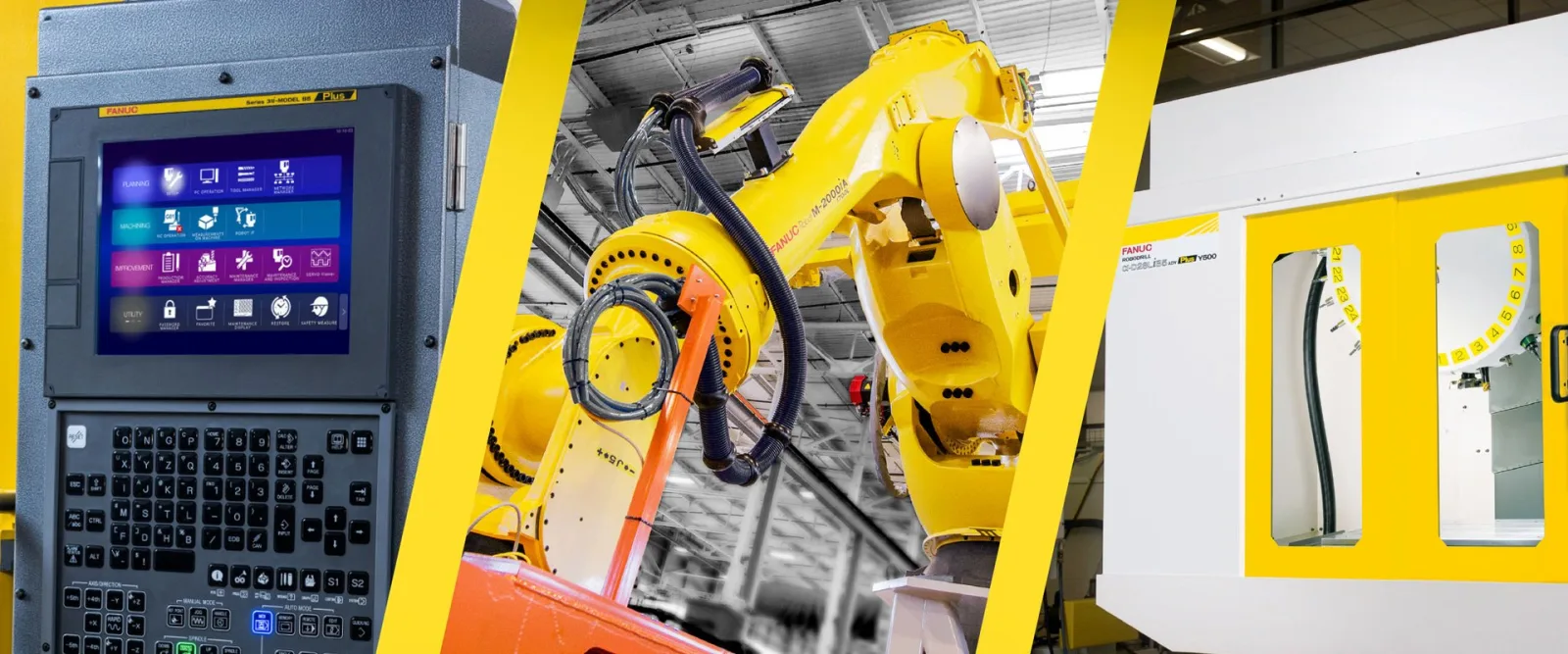
If we have to name one best robotics company in 2026, FANUC wins. It has shipped more than one million industrial robots, supports hundreds of configurations, and has the service and integration network required to keep factories running. That is less cinematic than a humanoid folding laundry, but it is what proven robotics looks like.
The category winners are more useful than one trophy. Agility Robotics leads commercially proven humanoids, Amazon operates the largest deployed fleet, Intuitive Surgical dominates surgery, Roborock leads home cleaning, and Anduril leads autonomous defense systems. Boston Dynamics still builds the industry's best mobility demonstrations, while Figure has the strongest humanoid deployment and production momentum.
The Short Version
Best proven robotics company: FANUC.
Best commercial humanoid: Agility Digit. Best humanoid momentum: Figure.
Largest real robot operation: Amazon Robotics, with more than one million deployed robots.
Most important conclusion: narrow robots are creating nearly all the measurable value. A general-purpose household humanoid is still a forecast, not a mature product category.
How We Ranked the Robot Companies
Edited demo videos, funding rounds and preorder claims do not count as leadership. We prioritized paid deployments, productive hours or tasks, customer confirmation, intervention rate, reliability, safety, unit economics and field service. Company-reported numbers are labeled by their source and treated more cautiously than filings or customer data.
The market is already enormous, but mostly unglamorous. The International Federation of Robotics counted 542,000 new industrial installations in 2024, almost 200,000 professional service robots and nearly 20 million consumer service robots—overwhelmingly cleaners and lawn robots. Humanoids are a small experiment inside that much larger market.
The 2026 Robot Company Leaderboard
| Robot category | 2026 leader | Serious challengers | Primary target market | Deployment reality |
|---|---|---|---|---|
| Humanoid / general-purpose | Agility Robotics | Figure, Boston Dynamics, Apptronik, UBTECH, 1X | Factories and logistics | Paid, but still narrow and supervised |
| Industrial robot arms | FANUC | ABB, Yaskawa, KUKA | Automotive, electronics, metalworking | Fully mature |
| Collaborative robots | Universal Robots | FANUC CRX, Doosan, Techman | Small and midsize manufacturers | 100,000+ sold |
| Warehouse / fulfillment | Amazon Robotics (operator); Geek+ (vendor) | Locus, AutoStore, Symbotic, OTTO | Retailers, 3PLs and factories | Large-scale and proven |
| Surgical and medical | Intuitive Surgical | Stryker Mako, Medtronic Hugo, Zimmer ROSA | Hospitals and surgical centers | Mature, regulated and surgeon-controlled |
| Consumer cleaning | Roborock | Dreame, Ecovacs, Eufy, Husqvarna | Homes and yards | Mass market |
| Commercial cleaning | Brain Corp + Tennant | Pudu, Gausium, Nilfisk | Retail, airports, warehouses and offices | Proven in large facilities |
| Hospitality / service | Pudu Robotics | Bear Robotics, Keenon, Richtech | Restaurants, hotels and hospitals | High shipment volume; mixed ROI |
| Companion / social / eldercare | ElliQ; PARO for therapy | Sony aibo, Miko, 1X NEO | Older adults, therapy and entertainment | Useful niche, not mass-market care |
| Ground and aerial delivery | Starship (ground); Zipline (air) | Serve, Nuro, Wing | Food, groceries and medical logistics | Millions of completed deliveries |
| Agriculture | John Deere | Carbon Robotics, Lely, DJI Agriculture | Farms, orchards and dairies | Task-specific and commercially real |
| Construction / inspection | Dusty Robotics; Boston Dynamics Spot | Built Robotics, Gecko, ANYbotics | Contractors, energy and heavy industry | Narrow tasks with clear safety value |
| Robotaxis | Waymo | Zoox, Baidu Apollo, Nuro | Urban passenger transport | Commercial, but geographically limited |
| Defense / public safety | Anduril | Shield AI, Skydio, Boston Dynamics | Militaries and first responders | Real contracts; limited public data |
Humanoids: Agility Leads Commercial Proof, Figure Leads Momentum
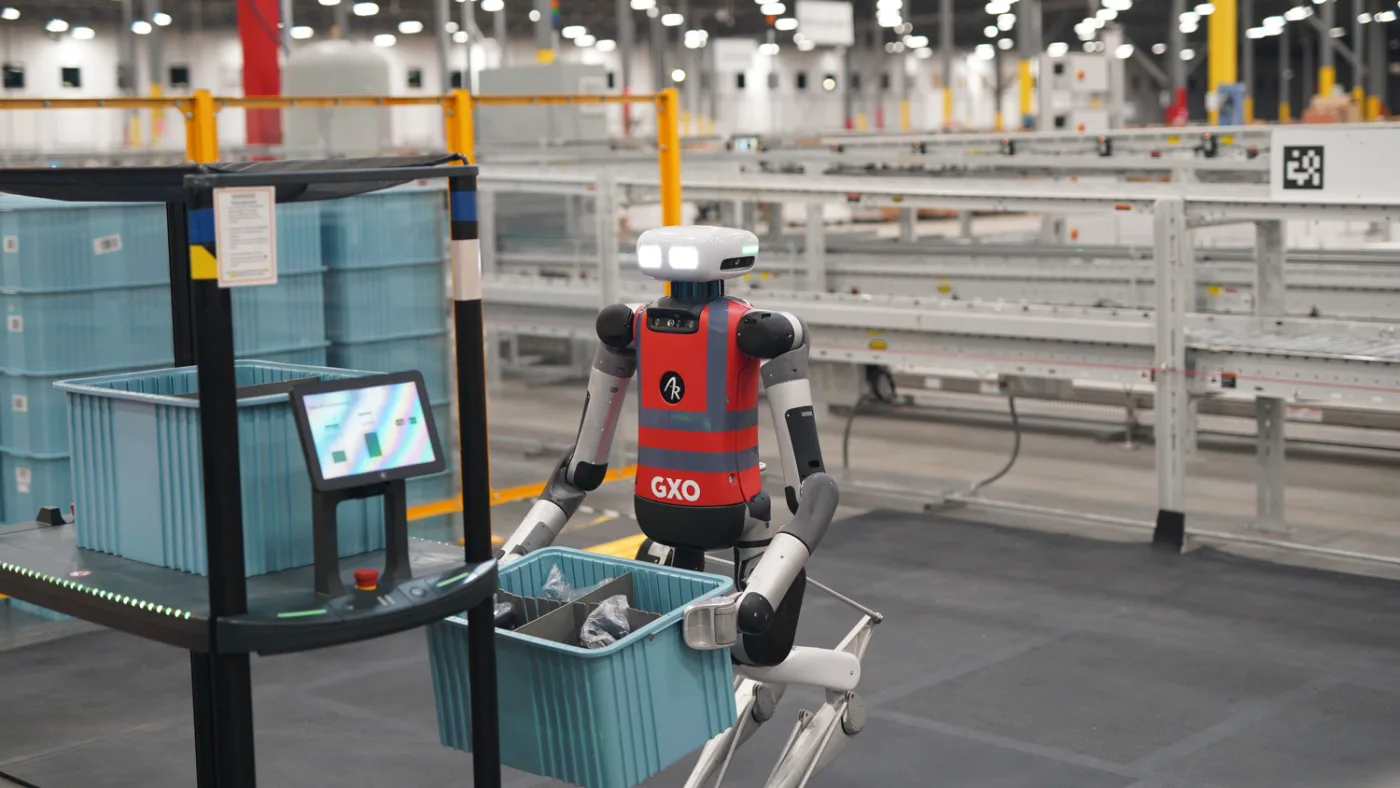
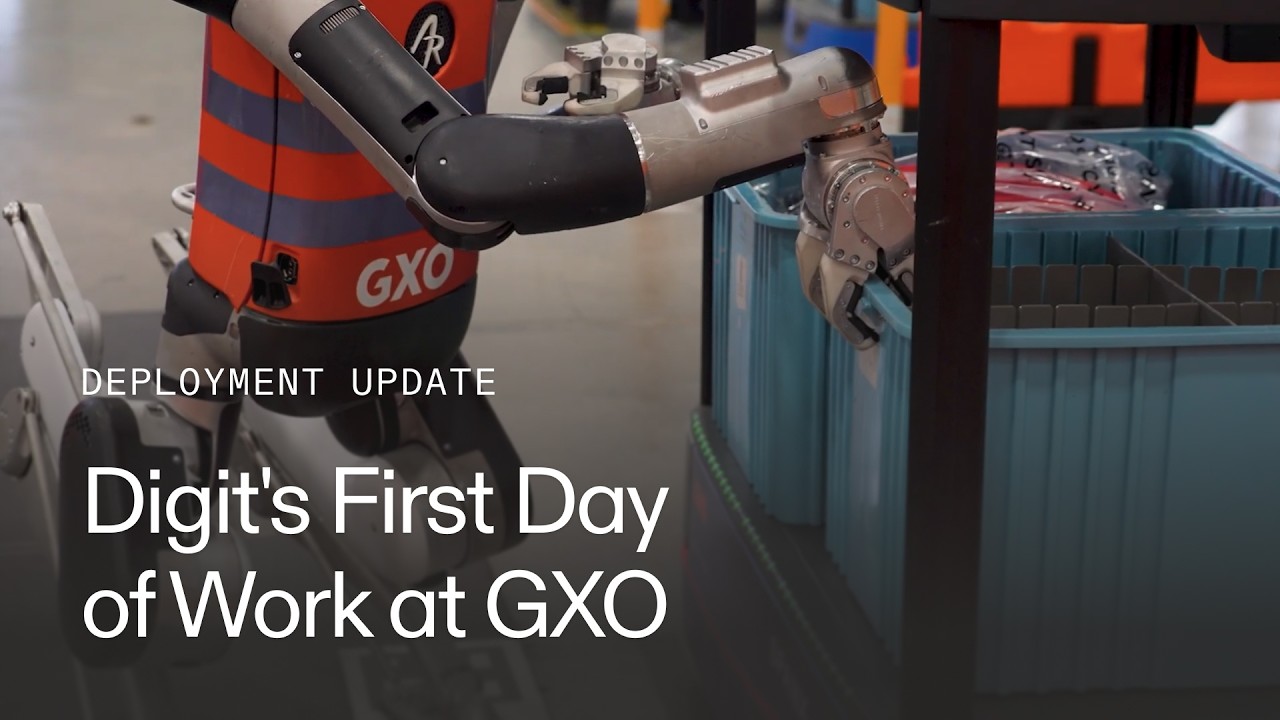
Agility Robotics wins the current commercial humanoid category. Digit passed 100,000 tote movements in GXO's live warehouse and now has commercial agreements covering GXO, Schaeffler and Toyota Motor Manufacturing Canada. The weakness is obvious: moving totes is one bounded workflow, not general human labor.
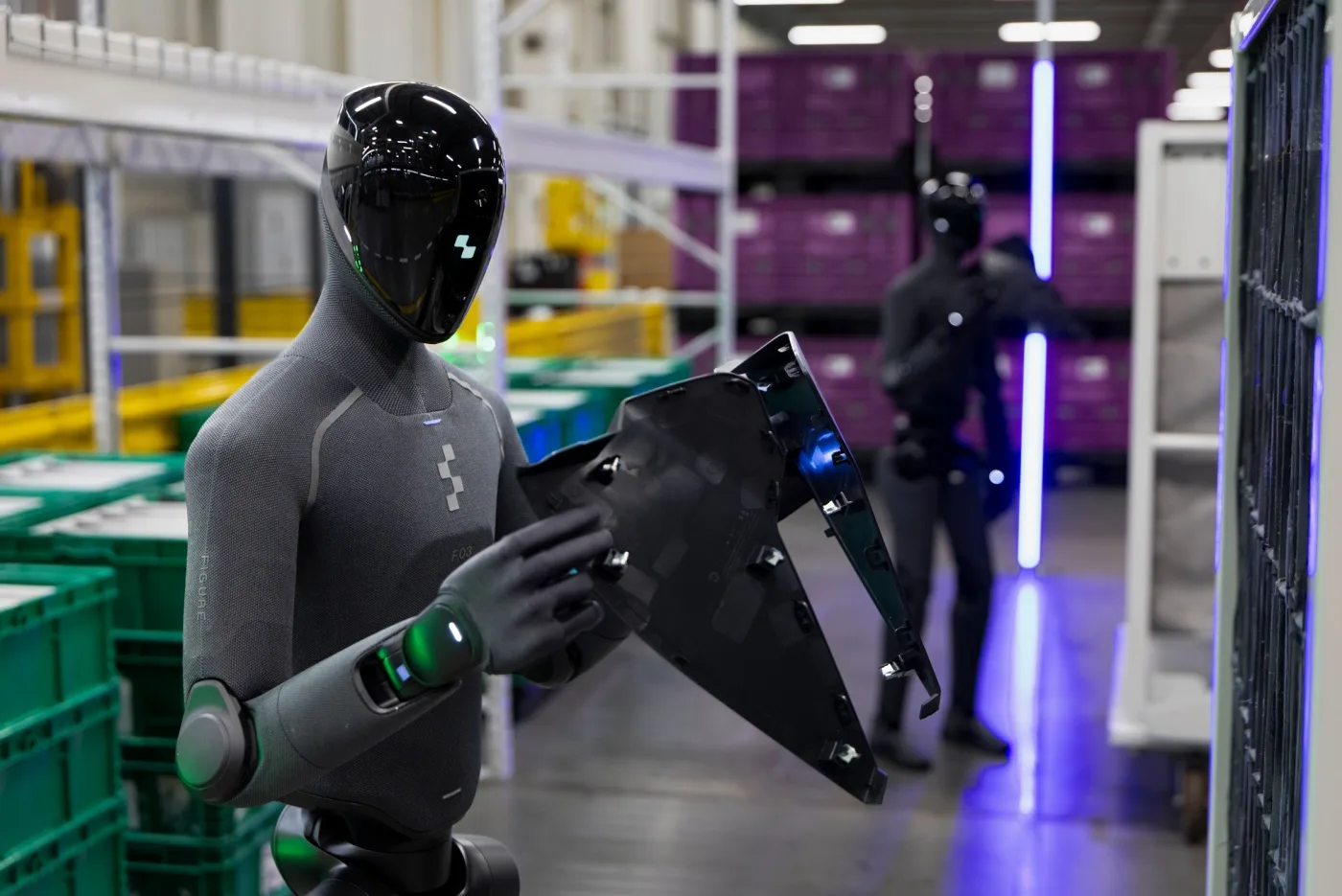
Figure is the closest challenger. BMW confirmed that Figure 02 loaded more than 90,000 parts over roughly 1,250 hours and contributed to 30,000 X3 vehicles. Figure 03 returned to BMW in June 2026 for a harder sequencing workflow. Boston Dynamics' production Atlas remains the mechanical benchmark, with 2026 fleets committed to Hyundai and Google DeepMind, but it has less public production-work data.
 Watch official video
Tesla is not the leader yet. Its 2026 filings describe Optimus production lines being prepared, but disclose no external paid deployment or operational fleet metrics. A factory target is not the same thing as robots completing customer work.
Factories and Warehouses: The Robots Already Won
FANUC reached one million industrial robots shipped in 2023. Universal Robots has since passed 100,000 cobots sold. These machines weld, palletize, tend machines and assemble products with repeatability that humanoids still cannot match.
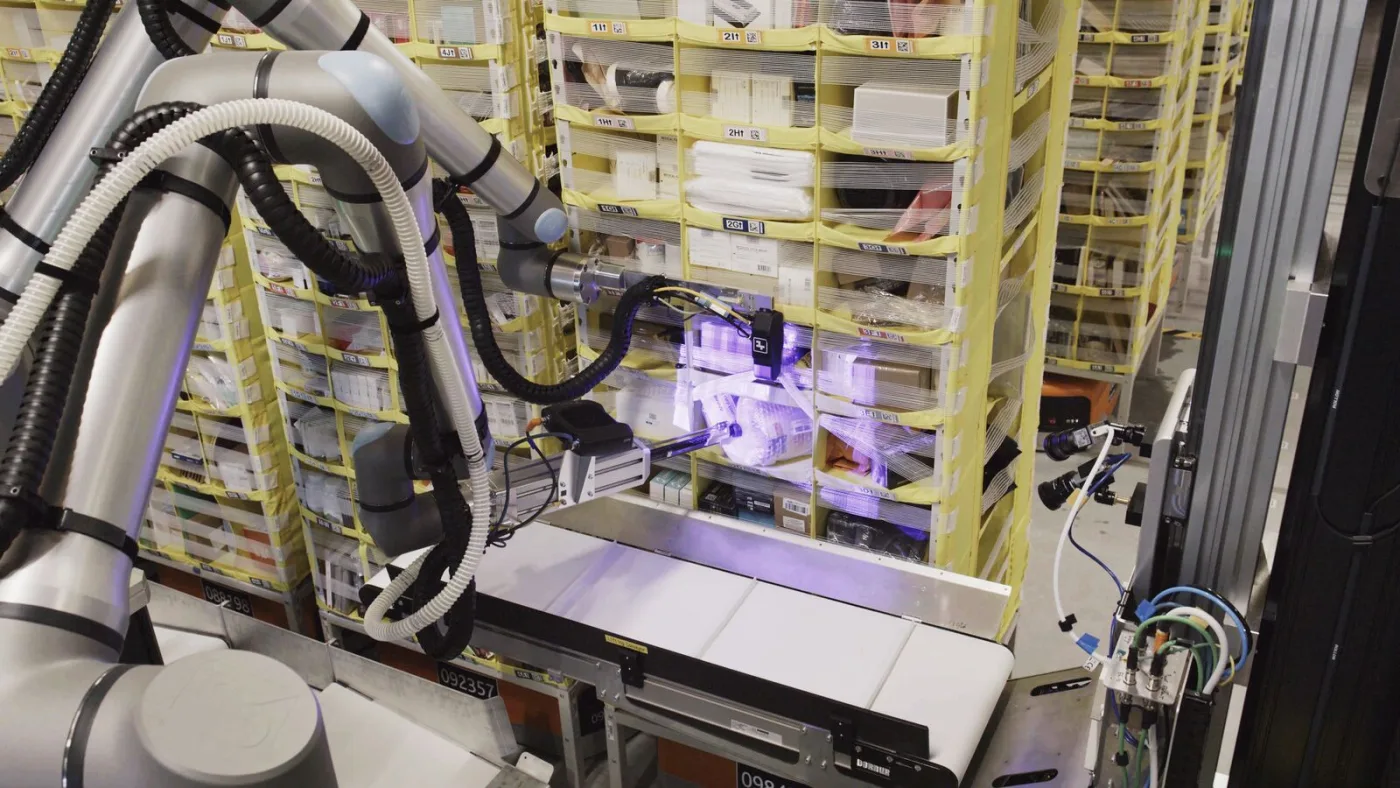
Amazon is the scale champion inside warehouses: it deployed its one-millionth robot across more than 300 facilities in 2025. Businesses buying a platform should look at Geek+, AutoStore, Locus or Symbotic instead. Geek+ reported 72,000 robots shipped to about 950 customers by the end of 2025; Locus passed seven billion assisted picks in March 2026. The important distinction is between moving shelves, moving totes, picking individual objects and rebuilding an entire distribution center—those are different products.
Medical, Cleaning and Companion Robots
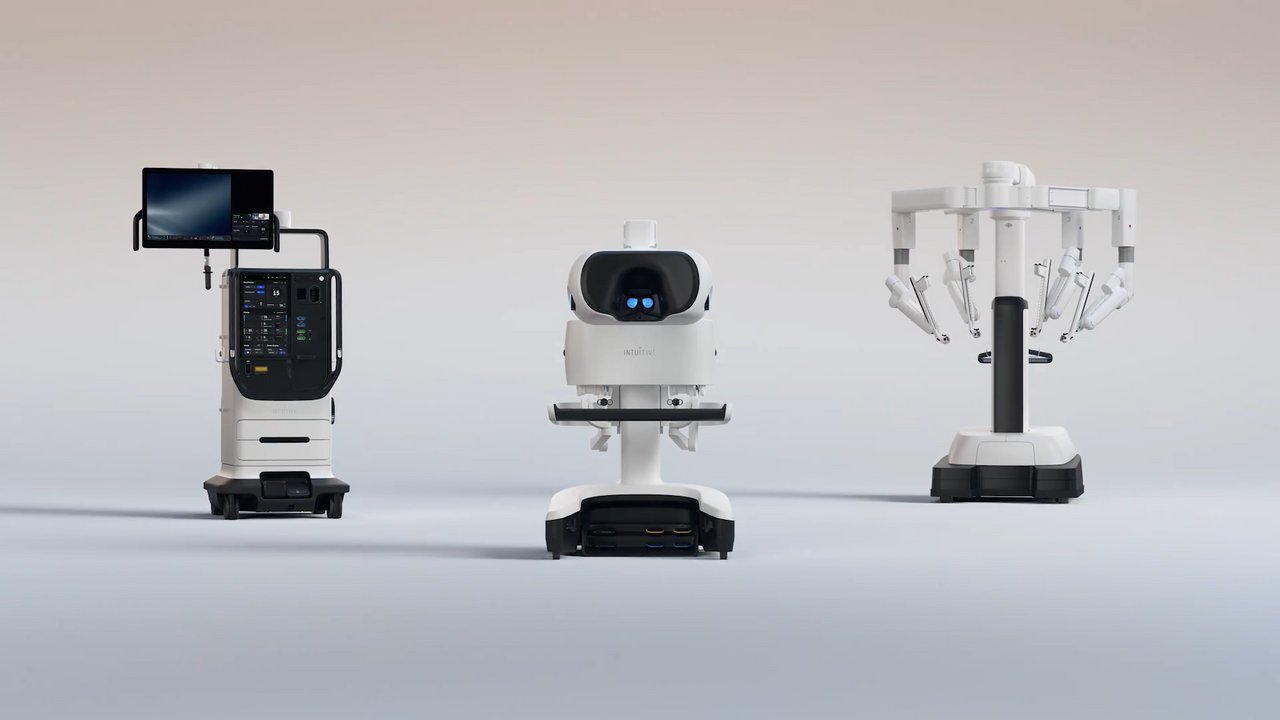
Intuitive Surgical is the clearest category winner in this article. Its 2025 report lists more than 12,100 installed systems and over 3.2 million procedures during the year. That is a mature clinical ecosystem, although “robotic surgery” still means a surgeon controls the system; it is not autonomous surgery.
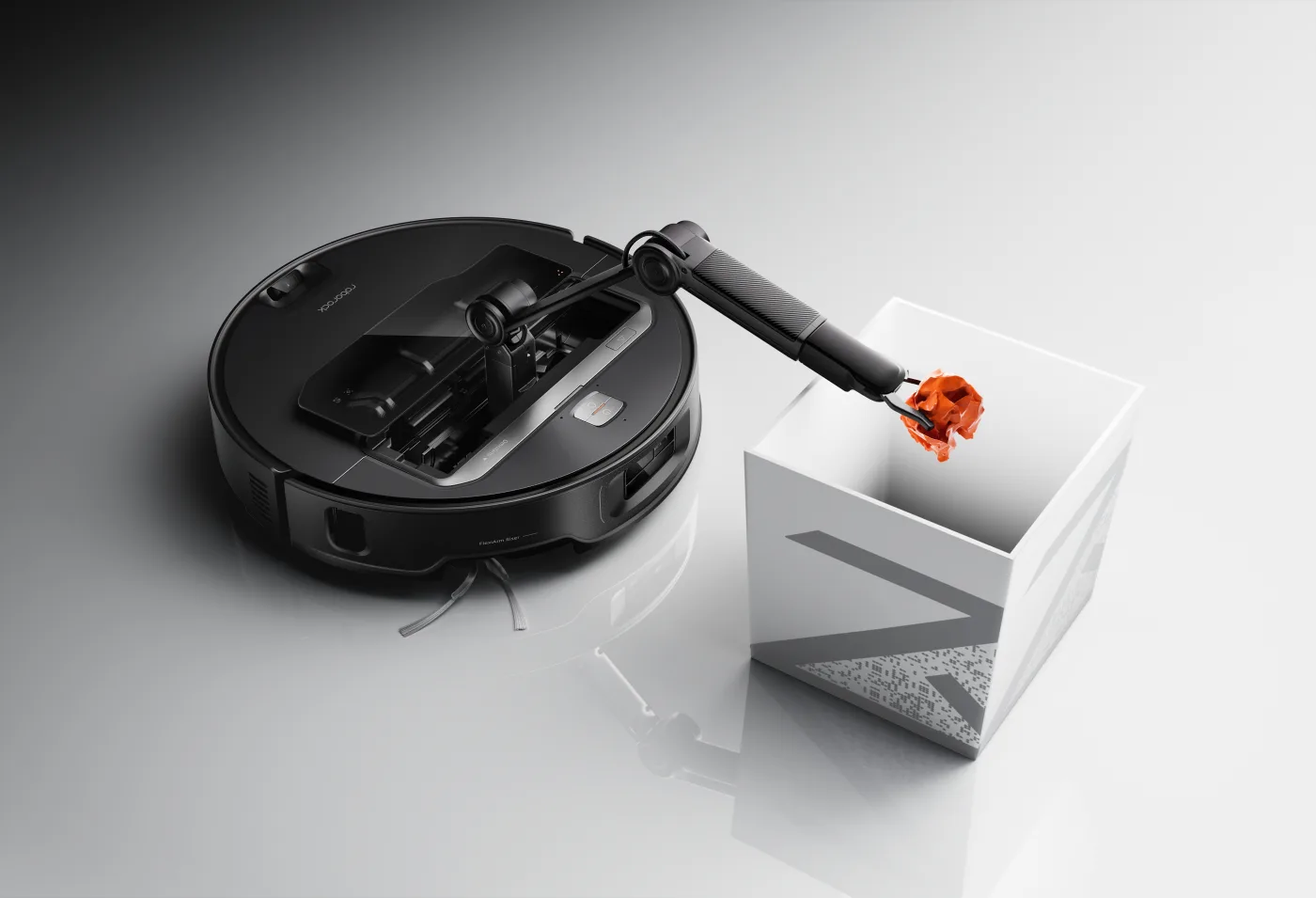
At home, Roborock has replaced iRobot as the strongest current cleaning company, reporting 5.8 million 2025 shipments and a 17.7% global cleaning-robot share. In commercial buildings, Brain Corp says BrainOS-powered machines have accumulated more than 23 million autonomous hours. Pudu is the broader service-robot leader, with more than 130,000 robots shipped across cleaning, restaurant delivery and internal logistics.
“Friendship robots” are better described as companion or social robots. ElliQ is the deployment leader for eldercare: New York's 2026 program reported 834 participants and high daily engagement. PARO, the therapeutic seal, has stronger clinical-study support. Sony aibo remains the established entertainment pet. These products can prompt activity and reduce perceived isolation, but the evidence does not justify replacing human contact or professional care.

Delivery, Agriculture, Construction and Defense
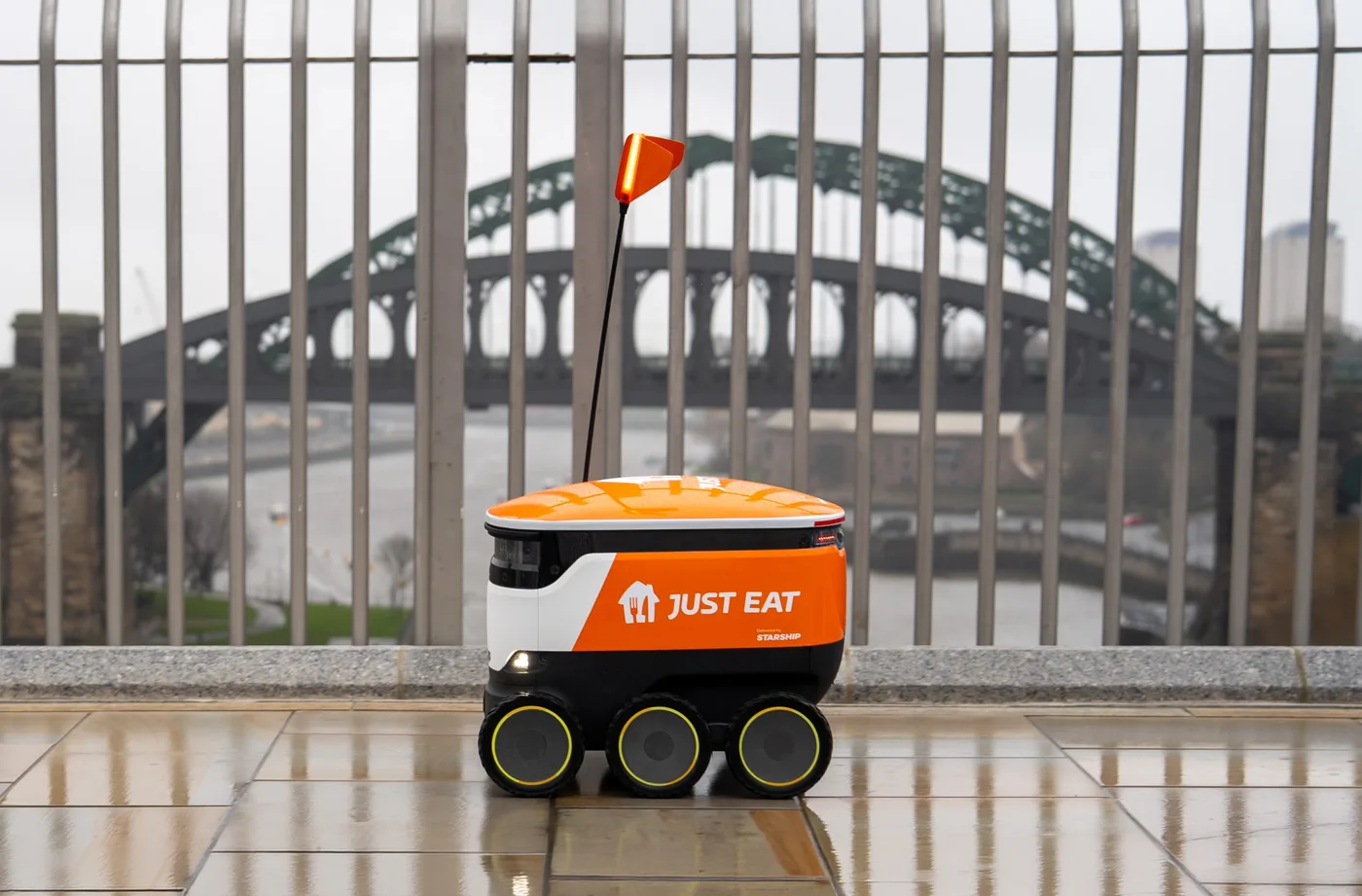
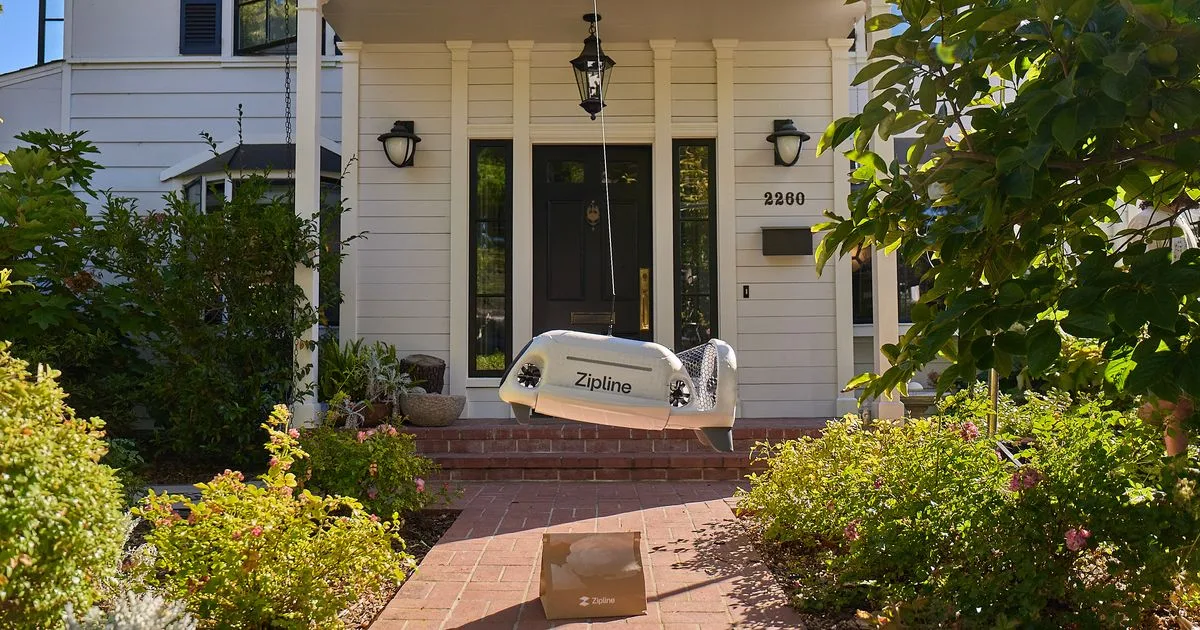
Starship leads sidewalk delivery with more than nine million completed deliveries; Zipline leads aerial logistics with more than two million. John Deere is the agricultural winner: customers used See & Spray across five million acres in 2025, while Carbon Robotics leads precision laser weeding.
Construction remains specialized. Dusty's FieldPrinter lays out roughly 10,000–15,000 square feet per day; Built Robotics automates heavy equipment; Gecko performs structural inspection; Spot and ANYmal inspect hazardous facilities. Anduril is our defense leader after winning a U.S. Air Force autonomous-aircraft production contract and a $23.9 million Marine Corps award for more than 600 Bolt-M systems. Defense rankings still deserve caution because contract ceilings, prototypes and deployed systems are often blended together.
The Real Bottleneck: Productive Autonomy
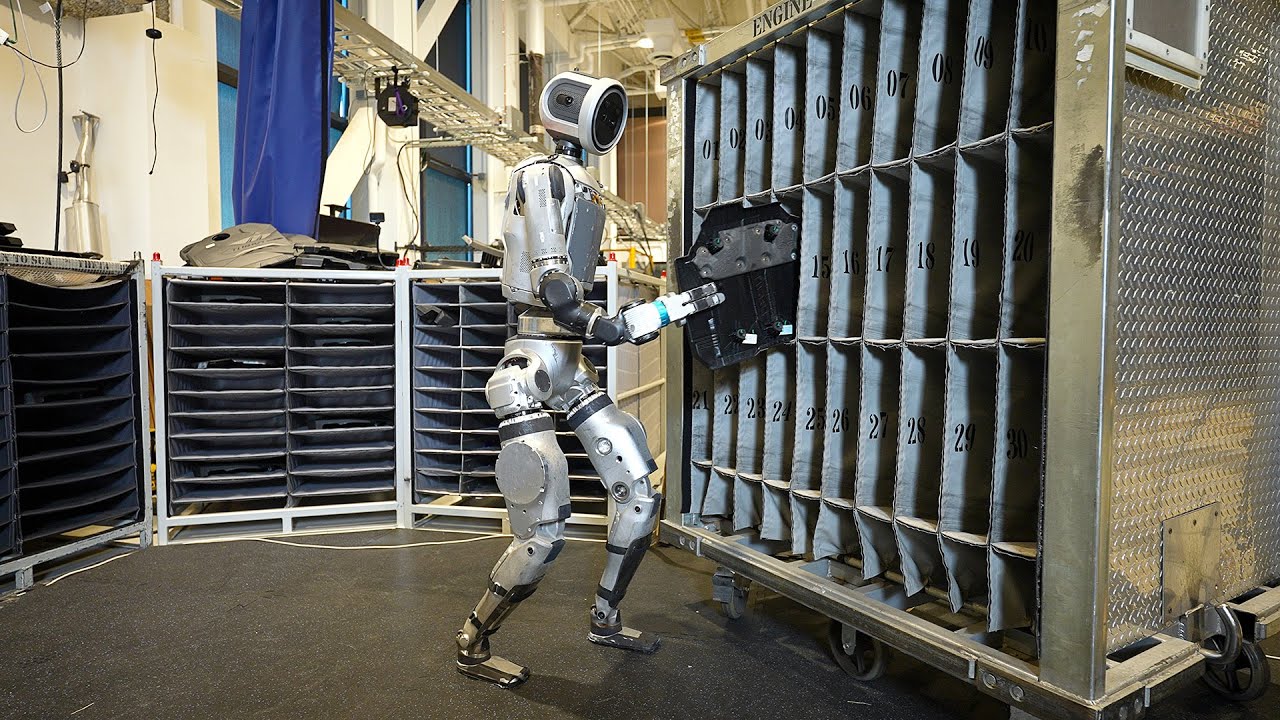
The hard problem is not making a robot walk across a stage. It is completing the same valuable task thousands of times, at the customer's cycle time, without a human rescuing it every few minutes. The IFR's 2026 assessment calls out reliability, productivity, energy use and maintenance. NIST launched a new humanoid baseline benchmark in April 2026 because the industry still lacks a shared way to compare current systems.
 Watch official video
- Reliability and recovery: a useful robot must detect a failure, stop safely and recover without turning every exception into a support call.
- Hands and touch: cloth, cables, transparent objects, soft food and tightly fitted parts remain much harder than boxes and rigid totes.
- Battery duty cycle: Atlas lists four hours of typical work and two hours of heavy lifting per battery. Swapping helps, but it adds equipment and downtime.
- Real-world data: internet text is abundant; synchronized vision, force and action data from diverse robot bodies is not.
- Safety and liability: a heavy mobile robot operating beside workers, patients or children needs validated behavior beyond an emergency-stop button.
- Economics and integration: elevators, doors, warehouse software, factory PLCs, consumables, remote operators and field technicians can cost more than the robot.
The metric every buyer should demand is total cost per successful task, including supervision, intervention, maintenance and downtime. “Robots deployed” is nearly meaningless without utilization and autonomy data.
Future Projections: What Actually Scales Next
2026–2028: Narrow robots keep compounding
High confidence: industrial arms, warehouse AMRs, cleaning, inspection, laboratory automation and medical robots grow faster than general-purpose humanoids. IFR expects annual industrial installations to surpass 700,000 by 2028.
2028–2030: Humanoids earn bounded factory jobs
Medium confidence: humanoid fleets expand in auto plants and warehouses for kitting, material movement, machine tending and other controlled workflows. Human exception handling remains part of the service, even when the marketing says “autonomous.”
The 2030s: Home helpers remain the hardest bet
Low confidence: a safe, affordable robot that cooks, cleans, handles laundry and assists a person without remote supervision. Voice-first companions and pet-like robots will scale sooner because conversation does not require human-level hands, balance or lifting safety.
What About Nvidia, Tesla and China?
Nvidia is the picks-and-shovels winner, supplying compute, simulation and robot foundation-model infrastructure. It is not the category leader here because it generally does not sell complete working robots. Tesla has vertical-integration potential, but Optimus needs customer deployments and intervention data before it outranks Agility or Figure.
China is the scale threat every Western ranking has to take seriously. China installed 54% of the world's new industrial robots in 2024, and domestic suppliers captured 57% of its market. UBTECH, Unitree and AgiBot can pressure prices and manufacturing volume. Shipment counts alone, however, do not prove useful autonomous work.
The Verdict
FANUC is the best robotics company overall in July 2026 because reliability, product breadth and a million-unit history beat speculative general intelligence. Agility wins commercial humanoids, Figure wins humanoid momentum, Amazon wins fleet scale, Intuitive wins medical robotics, and Roborock wins consumer cleaning robots.
The future winner will not necessarily look the most human. It will combine durable hardware, low intervention, field service, integration software and a task whose economics are obvious. For how physical automation changes individual careers, see our job-by-job AI replacement verdict. Software agents operate on a different curve, covered in our AI agent comparison.
FAQ
Which robotics company is best in 2026?
FANUC is the best proven robotics company overall because of its million-unit industrial history, broad product line, reliability, integration network and global service. Amazon operates the largest robot fleet, while Boston Dynamics leads mobility engineering.
Who leads humanoid robots in 2026?
Agility Robotics leads commercial proof with paid Digit deployments and more than 100,000 tote movements at GXO. Figure has the strongest deployment and production momentum after documented BMW work, while Boston Dynamics still sets the mechanical-performance benchmark.
Which robot category is the most advanced?
Industrial arms, warehouse automation and robot-assisted surgery are the most commercially mature categories. They operate in controlled environments with clearly defined tasks, measurable economics and established safety procedures.
Are companion or friendship robots useful yet?
Yes for narrow purposes. ElliQ has strong eldercare engagement data and PARO has the category's better clinical evidence, while Sony aibo is an established entertainment companion. None should be treated as a substitute for human care or friendship.
What is the biggest bottleneck in robotics?
Reliable productive autonomy is the biggest bottleneck: completing a useful task thousands of times at the required speed without frequent human rescue, unsafe behavior, damage or maintenance costs that erase the savings.