For three years, AI assistants waited for you to type. That changed this year. Google shipped Gemini Spark in May, Meta launched Muse on September 8, and on September 29 OpenAI answered with Dots. Each one is an agent with its own computer in the cloud. It keeps working after you close the app, and it will book, buy, email and research on your behalf. They're the most ambitious consumer AI products yet, and the most dangerous ones to set up carelessly.
Our verdict: Gemini Spark is the best personal AI agent for most people right now. It runs around the clock, it's built into Gmail, Calendar and Docs, and it now comes with Google AI Pro at $19.99 a month in the US. Meta Muse is the best free agent and the easiest to use for everyday errands. OpenAI Dots is the most powerful, running on GPT-6 Astra with access to more than 4,000 apps, but it needs a ChatGPT Pro plan that starts at $100 a month.
The Short Version
Best for most people: Gemini Spark. It works 24/7, lives inside Google Workspace and comes with Google AI Pro at $19.99 a month.
Best free agent: Meta Muse. It has a generous free tier, lives in its own app and WhatsApp, and handles errands and shopping.
Most powerful: OpenAI Dots. It runs on GPT-6 Astra, connects to 4,000+ apps and is built for work, but needs ChatGPT Pro from $100 a month.
Cheapest way to try an agent from OpenAI: ChatGPT agent mode on Plus ($20). It only works when you ask it to.
What Makes These Different From a Chatbot
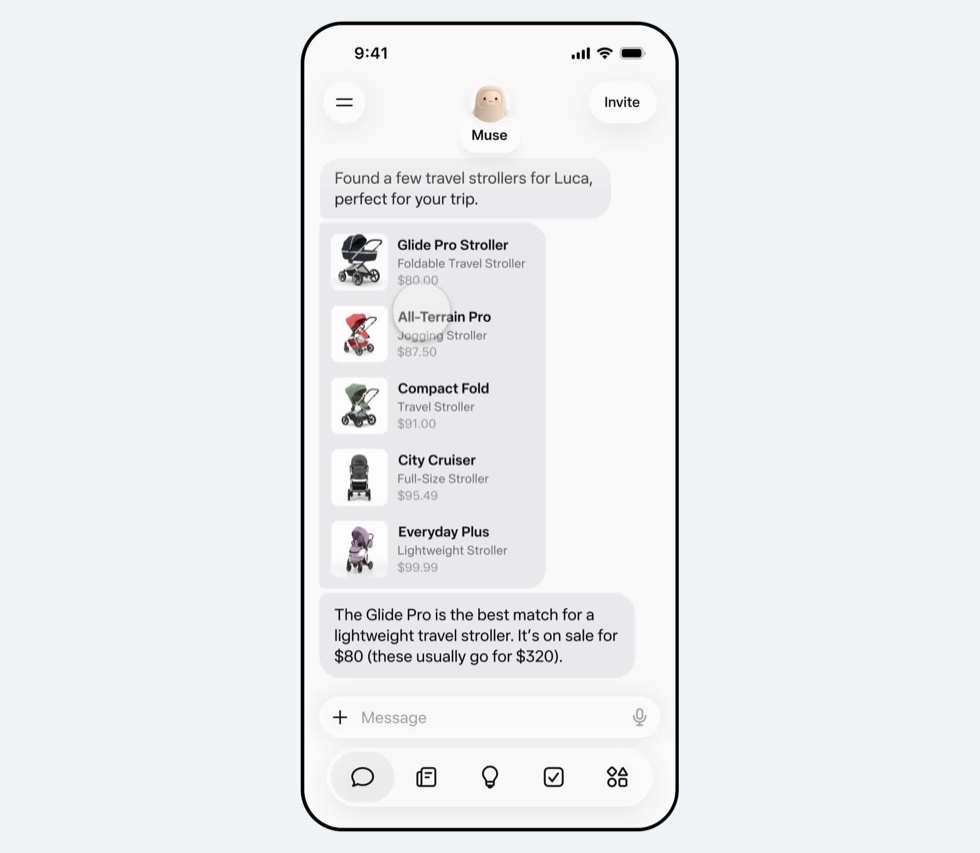
A chatbot answers. An agent acts. All three new products get their own virtual computer in the cloud, with a browser that can log in, click, fill in forms and pay. They work from goals rather than prompts. Tell Muse to "find a travel stroller under $100 and order it," or tell a Dot to "watch customer feedback and flag bugs," and it keeps going in the background, checking in when it needs a decision.
That's powerful and new, and it changes the risk. The question stops being "is this answer right?" and becomes "what can this thing do with my accounts while I'm asleep?" Safety controls, covered below, matter as much as capability.
Side-by-Side Comparison
| Gemini Spark | Meta Muse | OpenAI Dots | ChatGPT agent | |
|---|---|---|---|---|
| Launched | May 19, 2026 (I/O) | Sep 8, 2026 | Sep 29, 2026 | 2025 |
| Cheapest paid access | Google AI Pro, $19.99/mo | Free tier; $20 and $100 plans | ChatGPT Pro from $100/mo (first dot included) | ChatGPT Plus, $20/mo |
| Runs 24/7 in the background | Yes, even with your devices off | Yes | Yes | No, only when asked |
| Model | Gemini | Muse Spark 1.3 | GPT-6 Astra | OpenAI models |
| Where you talk to it | Gemini app, text, email | App, web, WhatsApp, Mac | ChatGPT, Codex, Slack, Teams; SMS soon | ChatGPT |
| Connections | Google Workspace + MCP connectors (Adobe, Asana, Canva, Spotify and more) | Email, calendar, payments, health, shopping, smart home | 4,000+ apps via plugins | Web browsing plus ChatGPT apps |
| Asks before big actions | Checks before major actions | Asks before sending messages or spending money | Read-only background mode, custom rules, auto-review | Asks before sensitive steps |
| Availability | US, India, Hong Kong and more (18+) | US only (18+) | Pro: not in EU, UK or Switzerland | Most ChatGPT regions |
Gemini Spark: Best for Most People
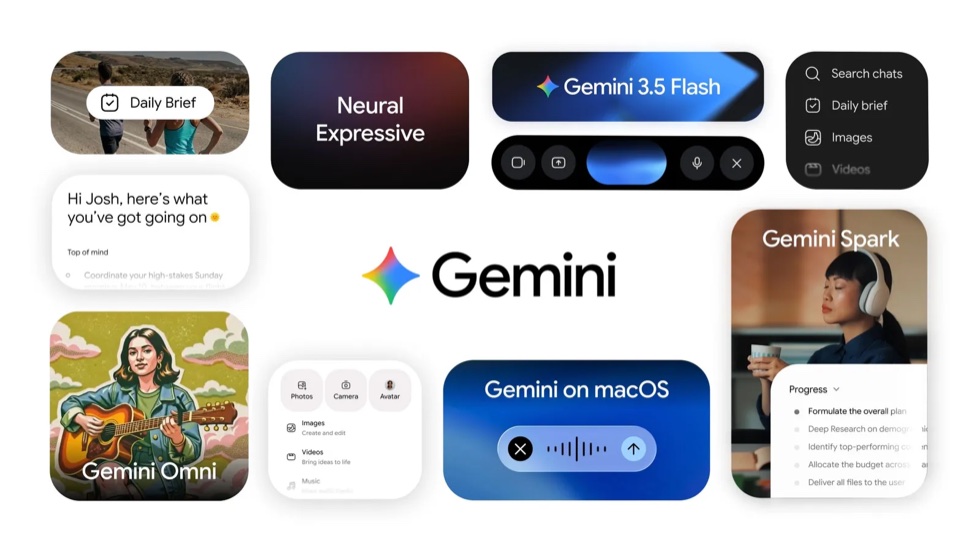
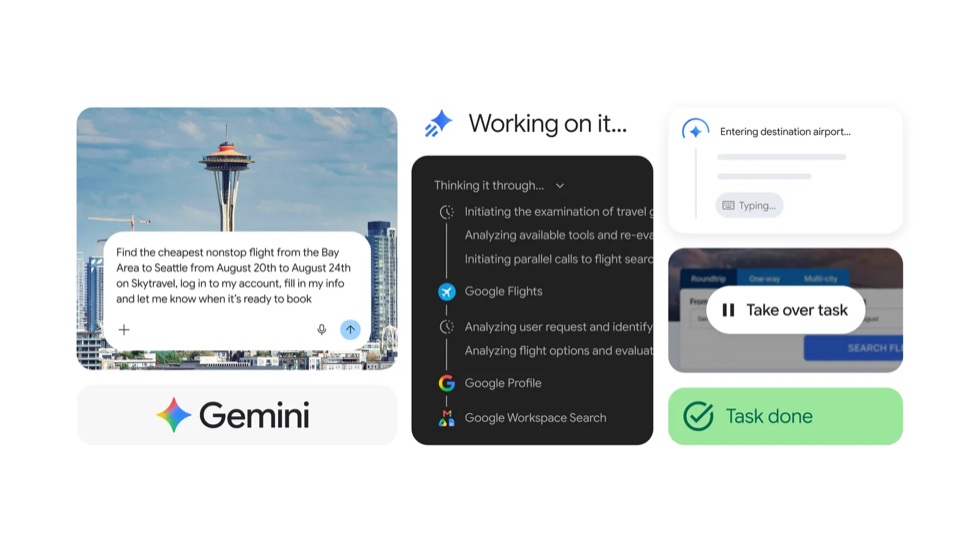
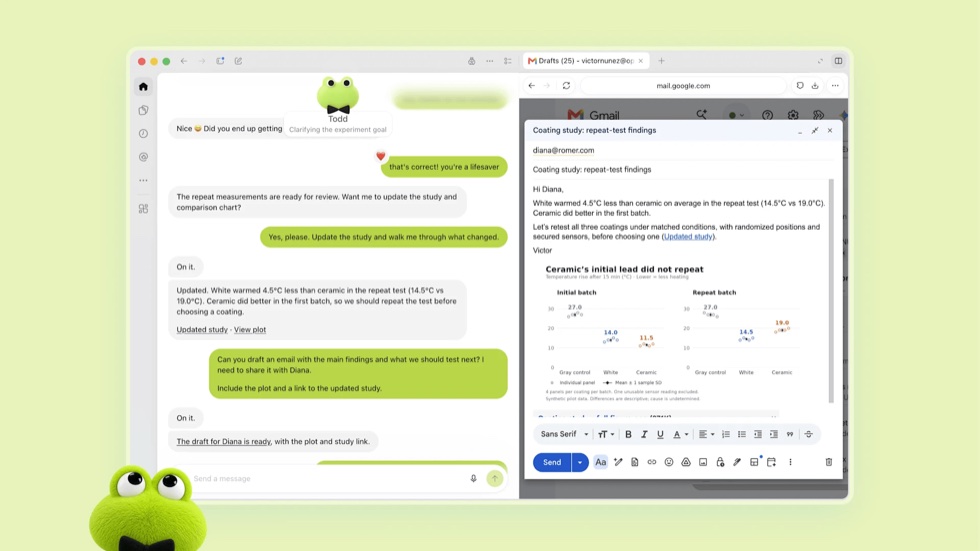
Spark has the biggest head start and the clearest use case. It runs on dedicated Google Cloud machines and keeps working even when your phone and laptop are off. It already lives where most people's digital lives are: Gmail, Calendar, Drive, Docs, Sheets and Maps. It triages your inbox, drafts replies from your own documents, tracks expenses, schedules appointments and splits big jobs across sub-agents. Google has added a Mac app, Chrome browsing and third-party connectors like Adobe, Asana, Canva, Dropbox and Spotify through the summer.
The price is what moves it to the top. Spark launched as part of the $100-plus Google AI Ultra plan, but it's now included in Google AI Pro at $19.99 a month in the US, the same price as a plain chatbot subscription. The catch: it's built around Google. If your email and files live in Outlook and iCloud, you'll get less out of it.
Meta Muse: Best Free Agent, Best for Errands
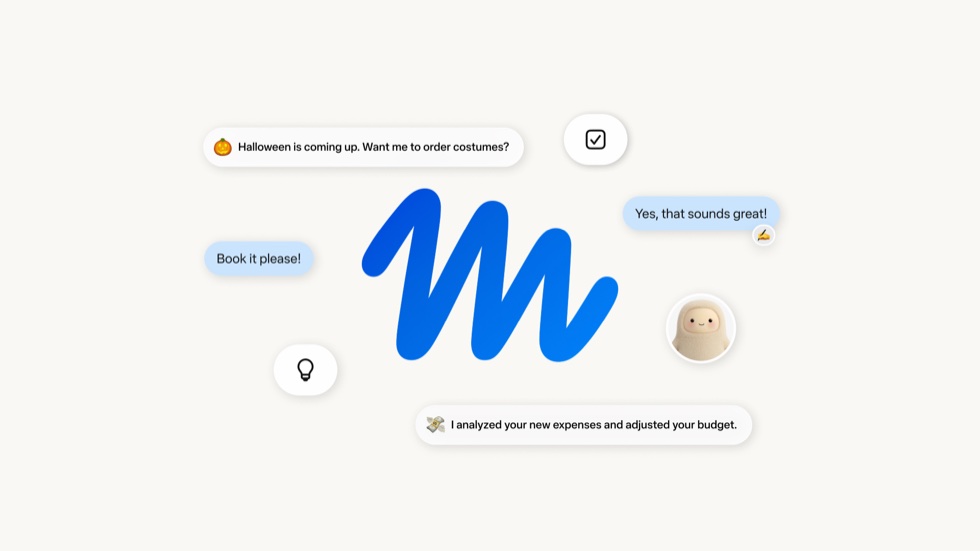
Muse is the most consumer-friendly of the three. It's free to start, it lives in its own app and inside WhatsApp, and it's designed for everyday tasks: shopping, bookings, forms, bills, calendar juggling. It connects to six parts of your life (email, calendar, payments, health, shopping and smart home) and works inside a dedicated cloud computer Meta calls Muse Secure VM, where you can watch the browser as it works. Before it sends a message for you or spends money, it asks.
Pricing is generous: a free tier with 100 million tokens a week, a $20 Power plan and a $100 Maximum plan. Meta hasn't said how many tasks those allowances cover, so heavy users can't plan around them yet. The catches: it's US-only for now, it needs a payment card on file, and handing Meta access to your inbox, health and payments is a real privacy trade. Meta says an encrypted mode is coming by December.
OpenAI Dots: Most Powerful, Built for Work
Dots are OpenAI's always-on agents, unveiled at DevDay on September 29. Each dot gets its own cloud computer and browser, runs on GPT-6 Astra, learns your preferences from feedback and can connect to more than 4,000 apps through OpenAI's plugins. OpenAI pitches them as teammates: a developer's dot watches customer feedback and ships fixes, and a researcher's dot reruns an analysis whenever new data arrives. You can message them in ChatGPT or through Slack and Teams, with texting on the way. One tester's dot found a forgotten invoice while doing background research.
OpenAI has the most detailed safety controls of the three. Background work is read-only by default, sensitive actions like password changes need your approval, you can write custom rules, and a monitoring system can pause a dot that goes off course. The catch is access. The first dot is included only with ChatGPT Pro (from $100 a month) and Business Premium seats, and Pro users in the EU, UK and Switzerland are excluded for now. Dot conversations don't count toward your ChatGPT limits.
What About ChatGPT Agent and Claude?
ChatGPT agent mode on the $20 Plus plan is still the cheapest way to have OpenAI's models browse, click and finish multi-step tasks. It works only while you're asking it to, though. It won't keep an eye on your inbox overnight.
Anthropic hasn't released an always-on consumer agent. Claude can operate your own computer from your phone, and Claude Cowork handles long knowledge-work jobs, covered in our Claude Chat vs Code vs Cowork guide. For coding and agentic work, Anthropic's new Opus 5.5 leads the benchmarks in our September AI ranking. There's no Claude equivalent of Spark, Muse or Dots yet.
Before You Turn One On
- Start with read-only access. Let the agent read and draft before you let it send, buy or delete.
- Set a spending limit. Use a virtual card or a payment method with a low limit, not your main debit card.
- Watch the first week. All three let you see what the agent did. Check its work before you trust it with anything that matters.
- Keep sensitive accounts out. Your bank, brokerage and primary email password don't need to be connected to an agent that's weeks old.
The Verdict
Gemini Spark is the best personal AI agent for most people in 2026: always on, built into the apps you already use and now just $19.99 a month. Meta Muse is the best free place to start, especially for shopping and errands. OpenAI Dots is the most capable and the pick for professionals who already pay for ChatGPT Pro. Whichever you choose, give it small jobs first. These agents are weeks to months old, and the right amount of trust is still earned.
FAQ
What is the best personal AI agent in 2026?
Gemini Spark for most people. It runs 24/7 in Google's cloud, works across Gmail, Calendar and Docs, and is included in Google AI Pro at $19.99 a month in the US. Meta Muse is the best free option, and OpenAI Dots is the most powerful but requires ChatGPT Pro.
What is OpenAI Dots?
Dots are OpenAI's always-on AI agents, launched at DevDay on September 29, 2026. Each dot runs on GPT-6 Astra with its own cloud computer and browser, connects to more than 4,000 apps and can be messaged in ChatGPT, Slack or Teams. The first dot is included with ChatGPT Pro and Business Premium.
Is Meta Muse free?
Yes, Muse has a free tier with 100 million tokens a week. Paid plans cost $20 a month (Power) and $100 a month (Maximum). It launched September 8, 2026 in the US for people 18 and older and requires a payment card on file.
How much does Gemini Spark cost?
Gemini Spark is included in Google AI Pro at $19.99 a month in the US and in Google AI Ultra at $99.99 or $199.99 a month. It isn't included in the free Gemini tier or the $4.99 AI Plus plan.
Are personal AI agents safe to use?
They're usable with care. All three ask before major actions like spending money or sending messages, and OpenAI adds read-only background mode and custom rules. Start with read-only access, use a low-limit payment card and keep banking and primary email passwords out of reach until you trust the agent.