Most fitness apps hand you a workout. From the Feet Up hands you one thing to fix first, and it finds it from photos of how you stand, squat and walk.
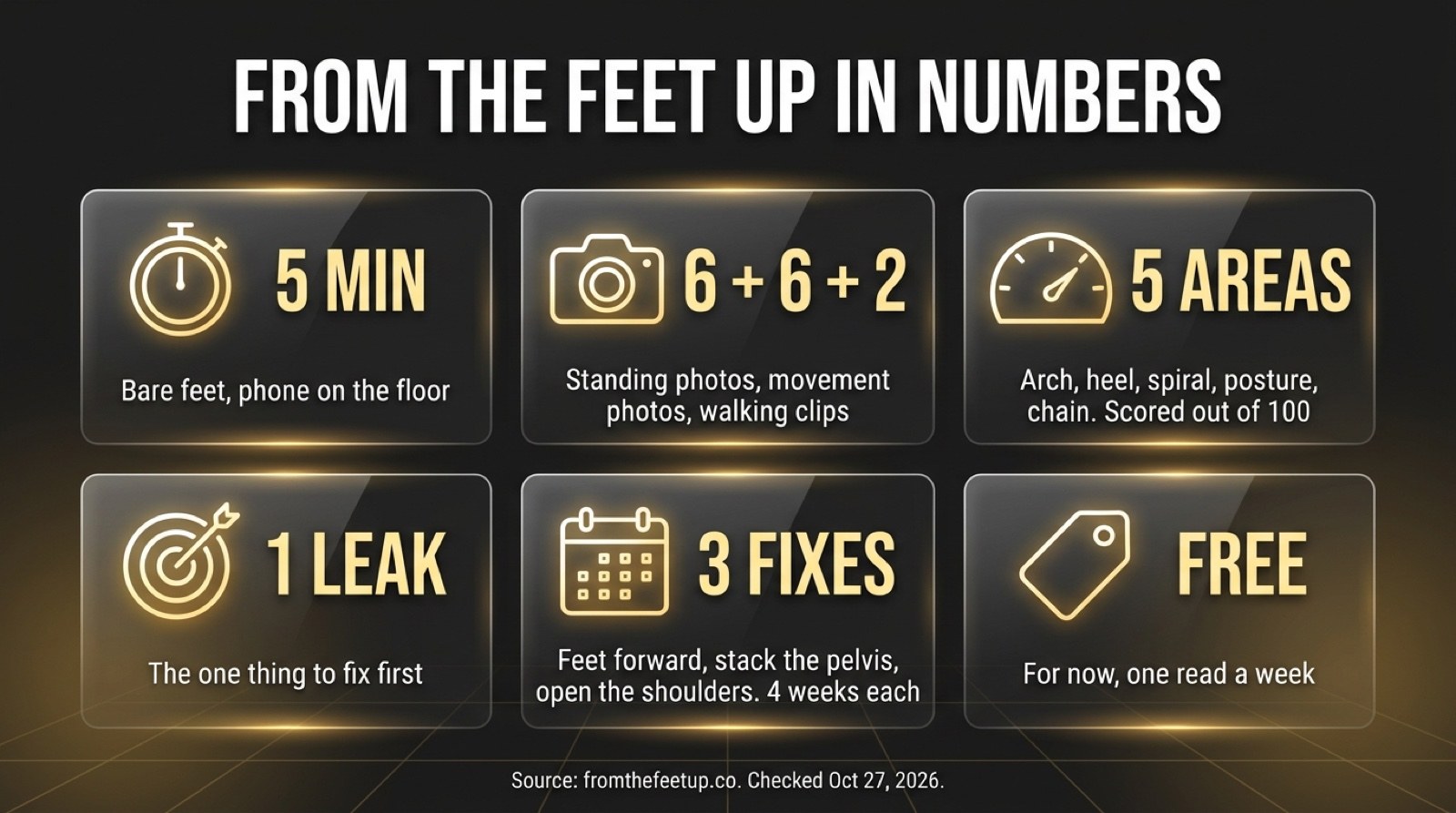
Our take: it's the posture app to try if you're a former athlete who wants to move well again and doesn't know where to start. It's an iPhone app in beta, free for now with one read a week. Disclosure: TechVerdict's owner also built From the Feet Up. We haven't put it through a long-term test, so this covers what it does, not results.
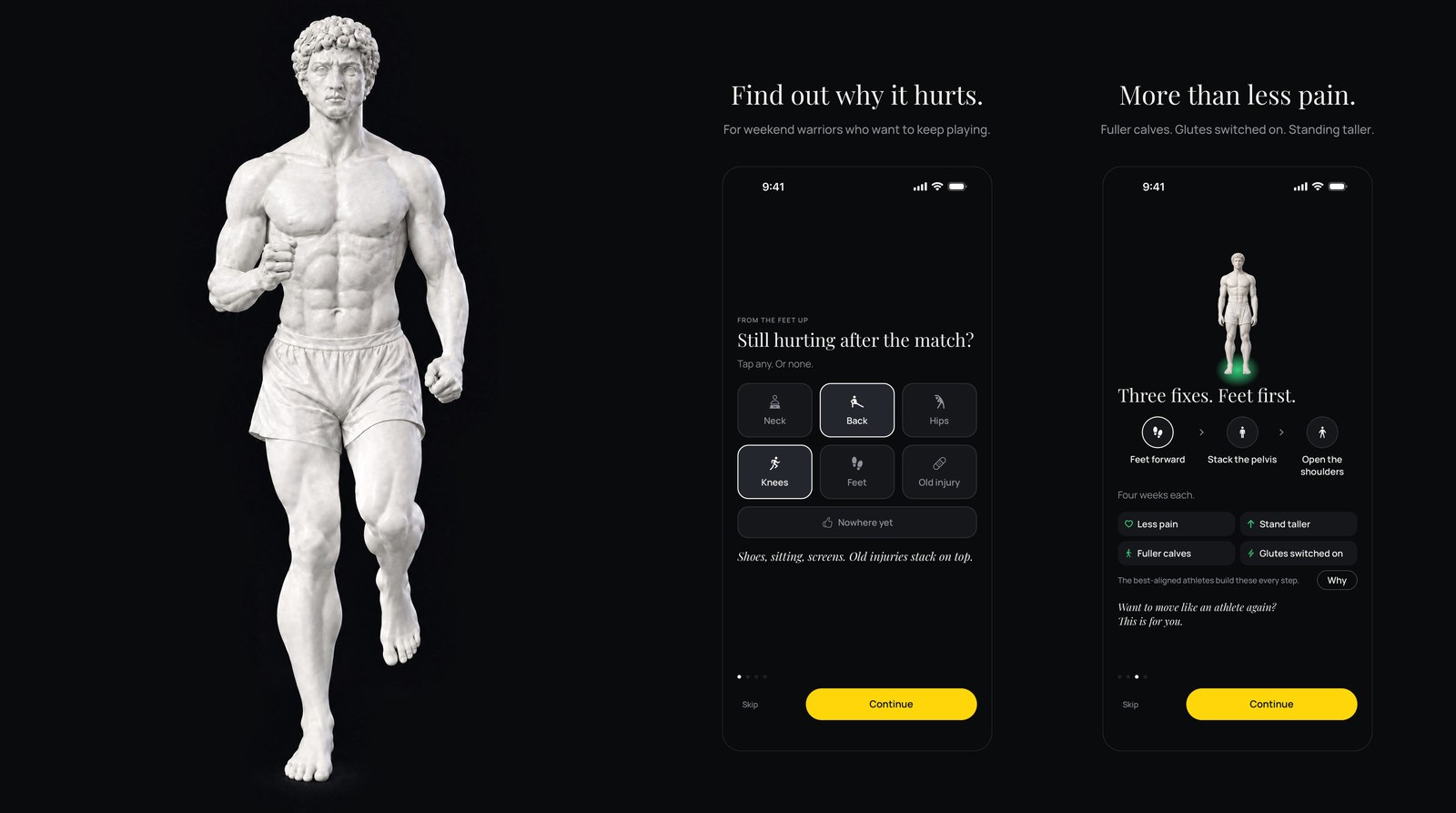
 iPhone app, beta
Scan, read, fix
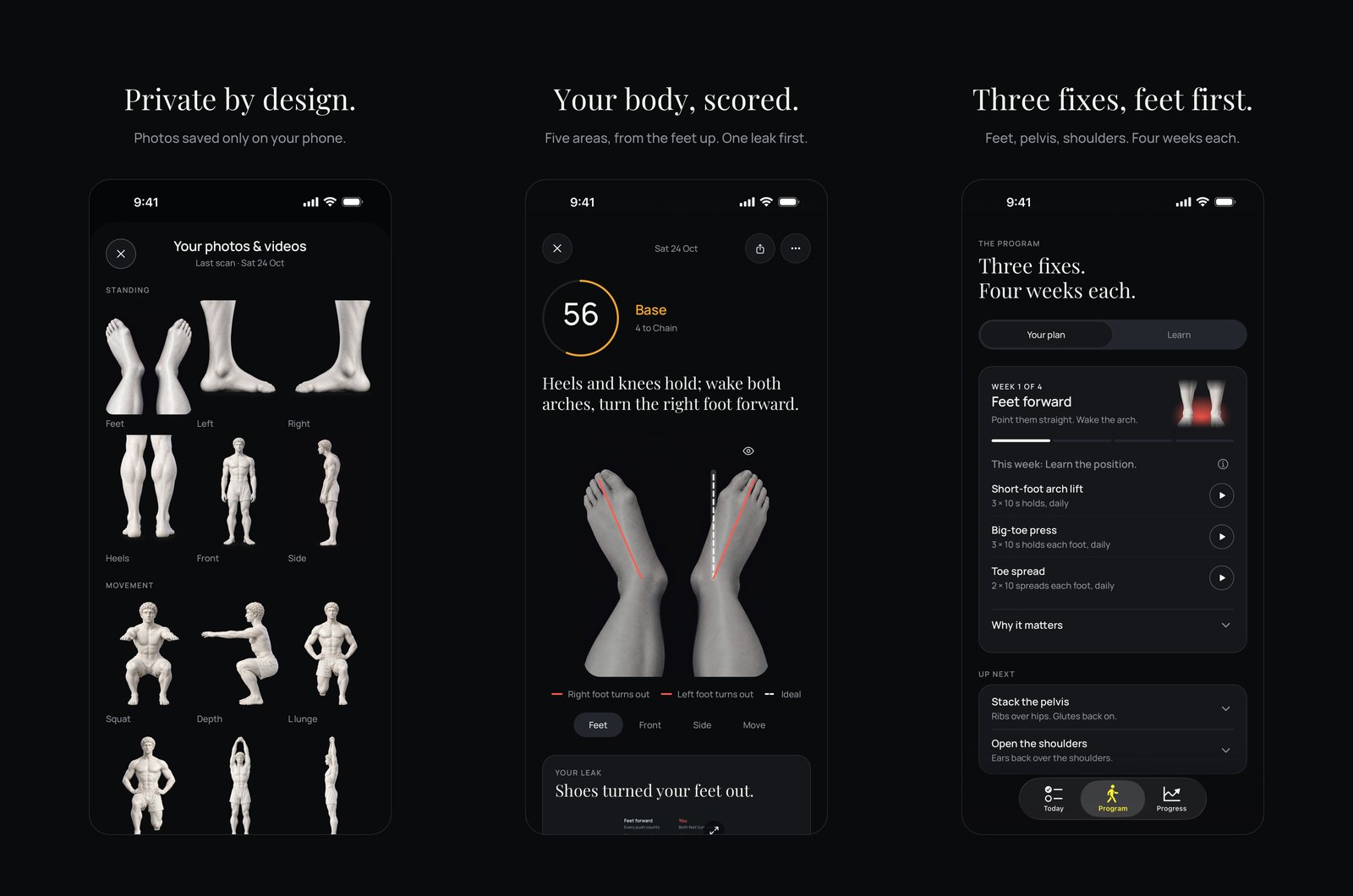
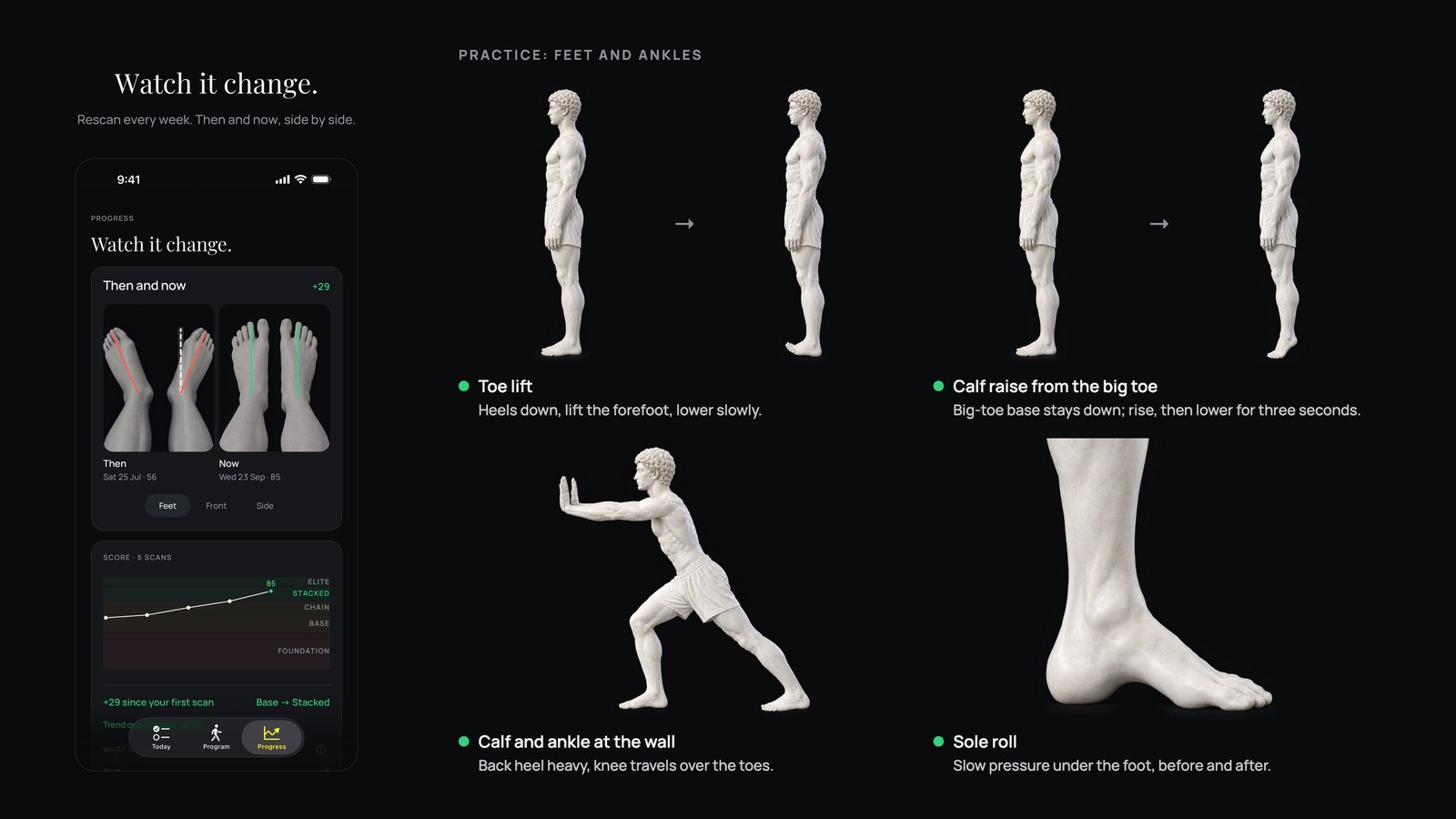
You take the photos, an AI read scores how you stack from the feet up, and the app gives you one fix with daily drills. Then you rescan every week to see what moved.
The three leaks at a glance
The app's idea is simple: three everyday habits each leak power somewhere in the body. Each leak gets one fix.
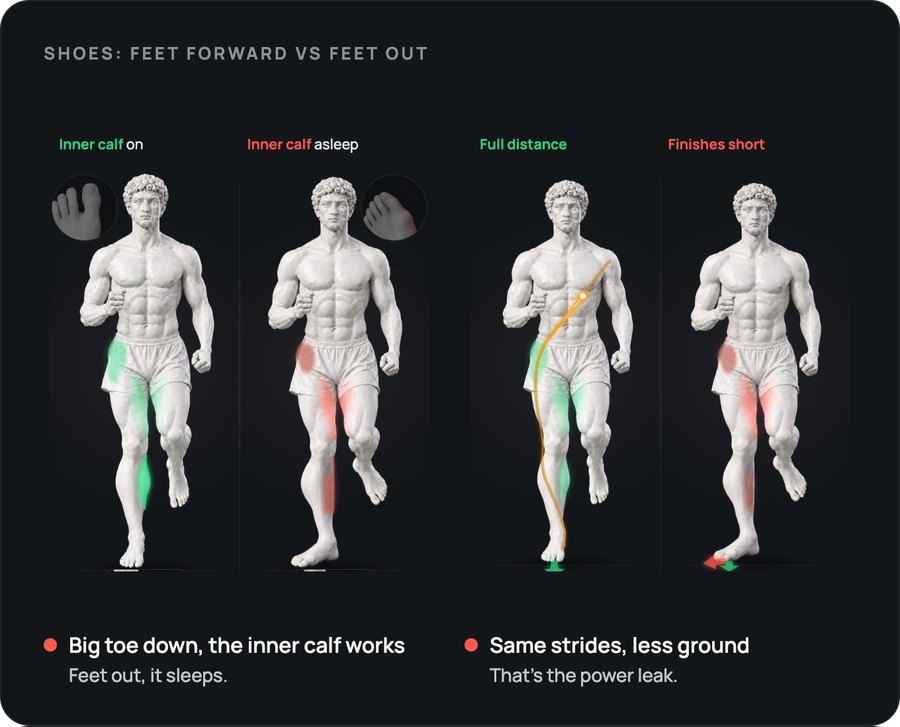
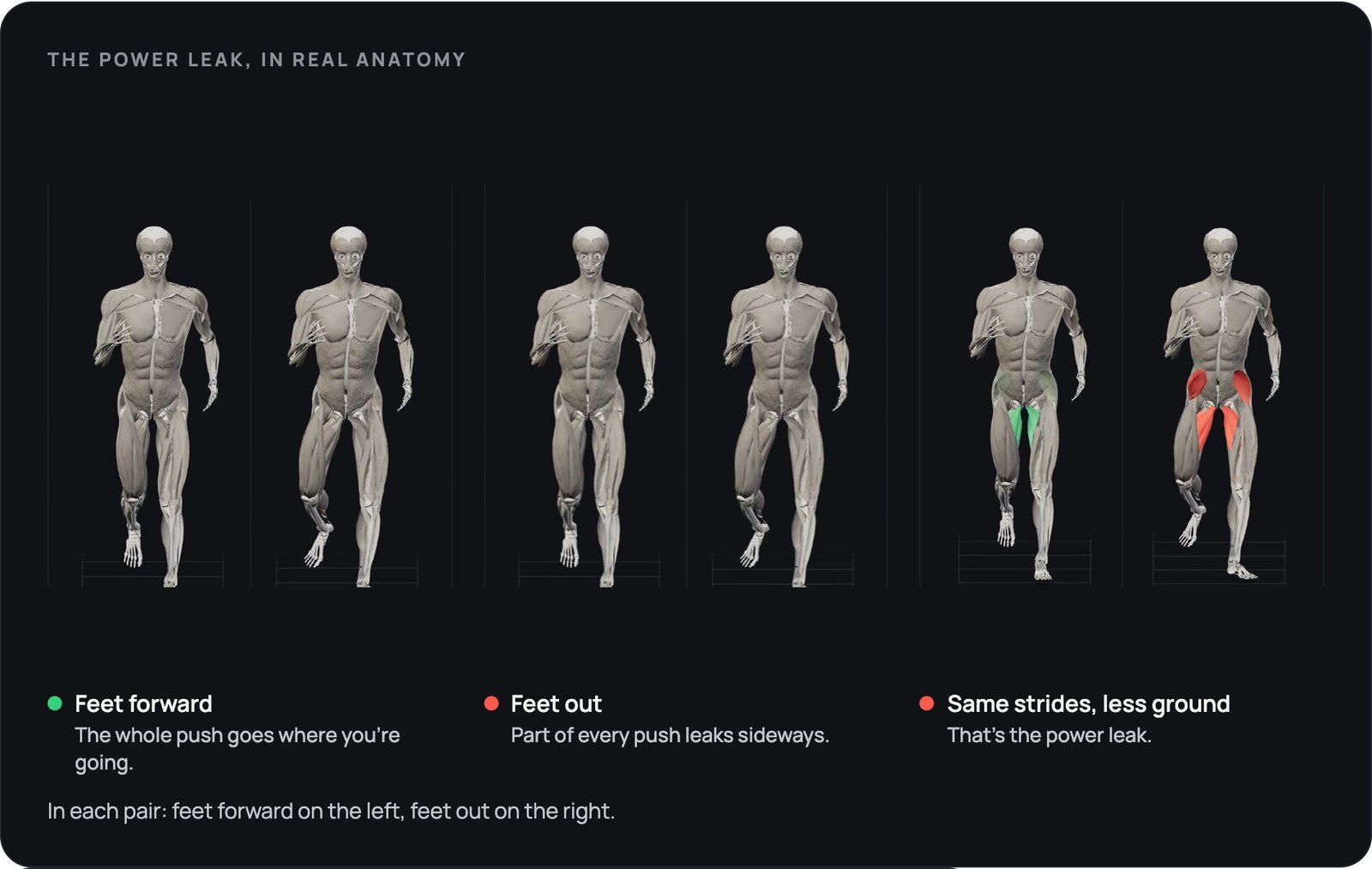
- Shoes turn the feet out
- Every push leaks sideways
- The inner thighs go weak and the knee pays
Guide: how to fix duck feet
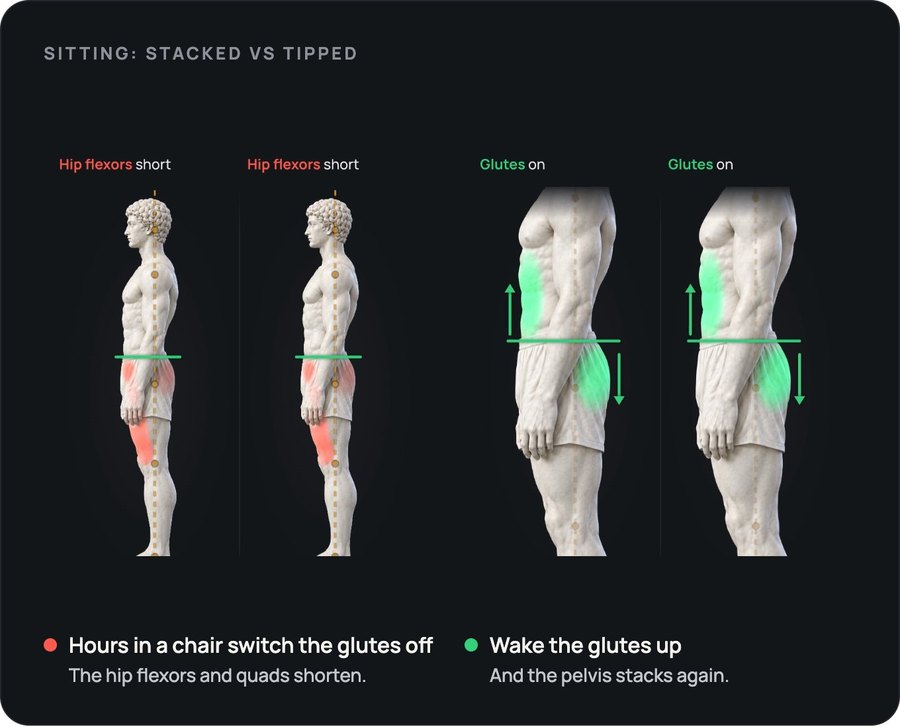
- Hours in a chair switch the glutes off
- Tight hip flexors tip the pelvis forward
- The low back takes over
Guides: glutes switched off, anterior pelvic tilt
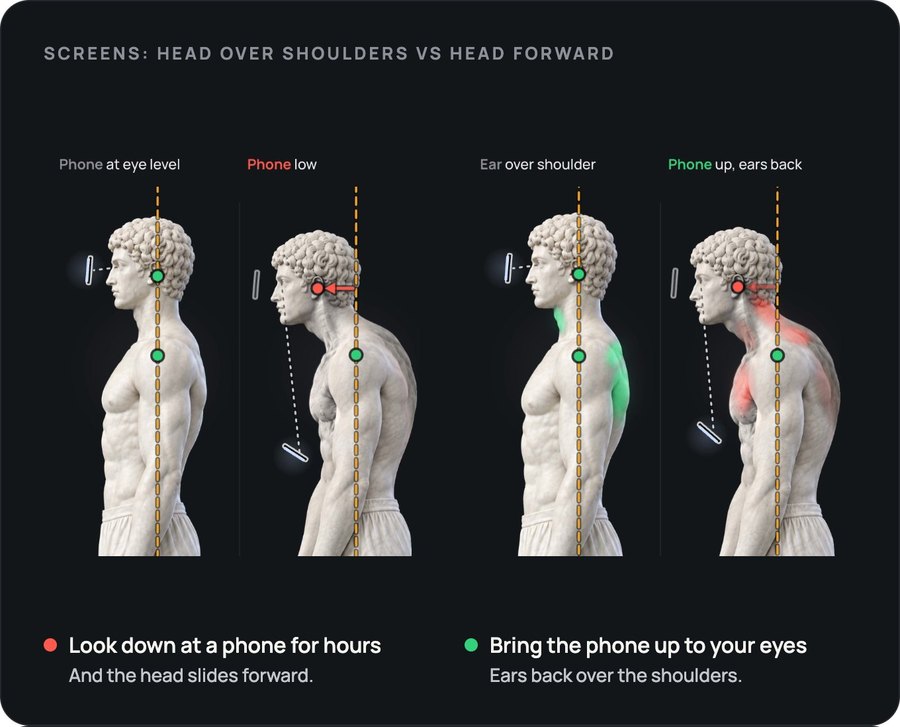
- Looking down pulls the head forward
- The chest tightens and rounds the shoulders
- The upper back switches off
How it compares
We compared it with app categories, not named apps, so this only describes what each type usually does.
| Feature | From the Feet Up | Typical workout app | Typical mobility app | Typical posture app |
|---|---|---|---|---|
| Photo-based scan | ✓ | ✗ | Some | ✓ |
| Starts at the feet | ✓ | ✗ | ✗ | ✗ |
| Reads movement and walking | ✓ | ✗ | Some | Some |
| Shows the leak in anatomy | ✓ | ✗ | Some | Some |
| One fix at a time | ✓ | ✗ | ✗ | ✗ |
| Daily drills | ✓ | ✓ | ✓ | Some |
| Photos not kept on servers | ✓ | Varies | Varies | Varies |
| Price | Free for now | Often paid | Often paid | Often paid |
The scan
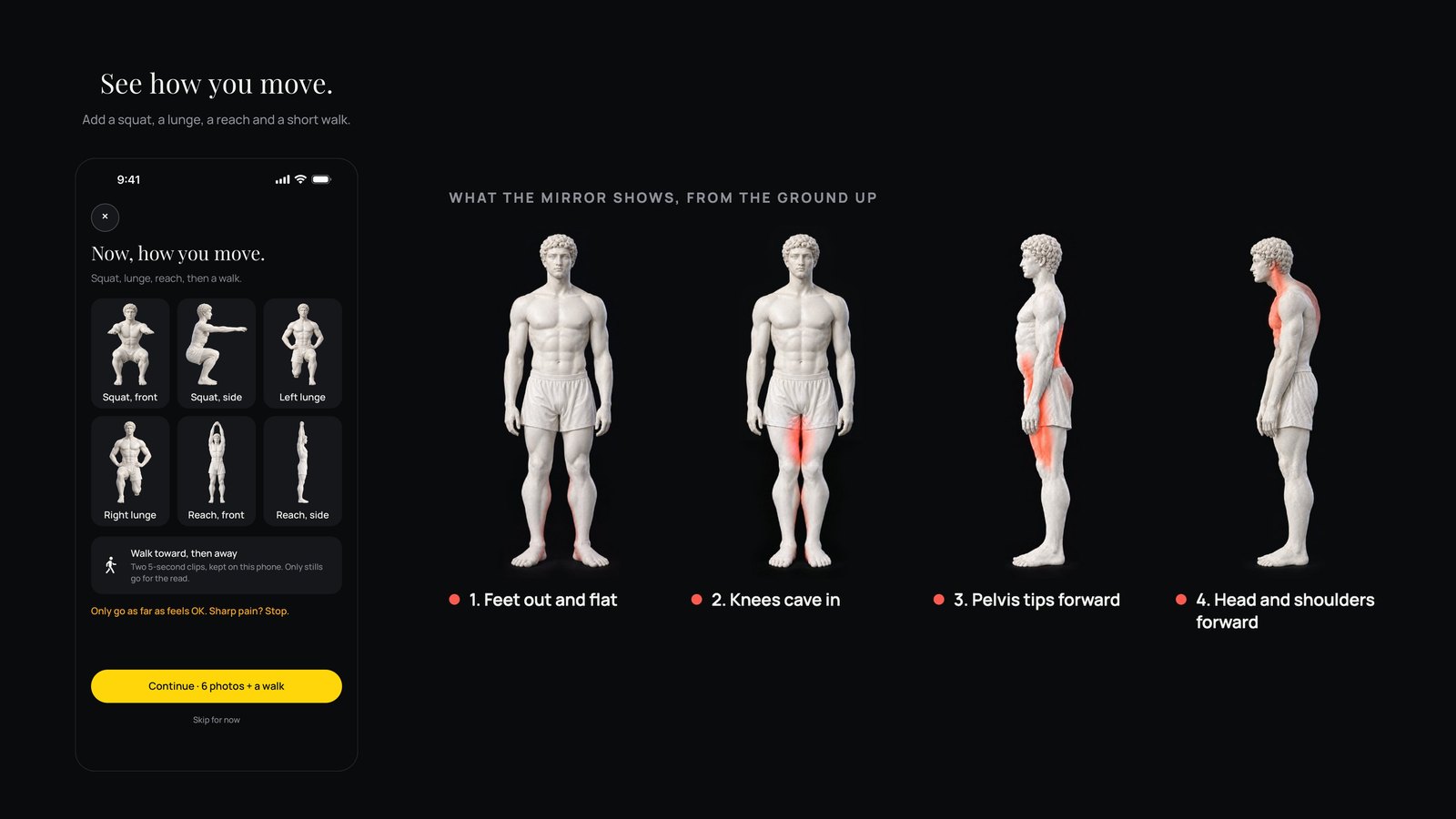
The scan takes about five minutes, in bare feet, with the phone propped on the floor. It counts you in for six standing photos: feet from above, the inside of each foot, heels from behind, front and side.
Then come six movement photos, of a squat, a lunge on each side and an overhead reach, plus two short walking clips. The walking clips stay on your phone, and only a few still frames go to the read.
The read
The AI read scores five areas out of 100, from the feet up: arch, heel, spiral, posture and chain. It names your problem in plain words on your own photo and tells you why it matters.
Then it picks the one leak to fix first. If your feet turn out, that's feet forward; the knees often follow, so the knees caving in guide is the next stop.
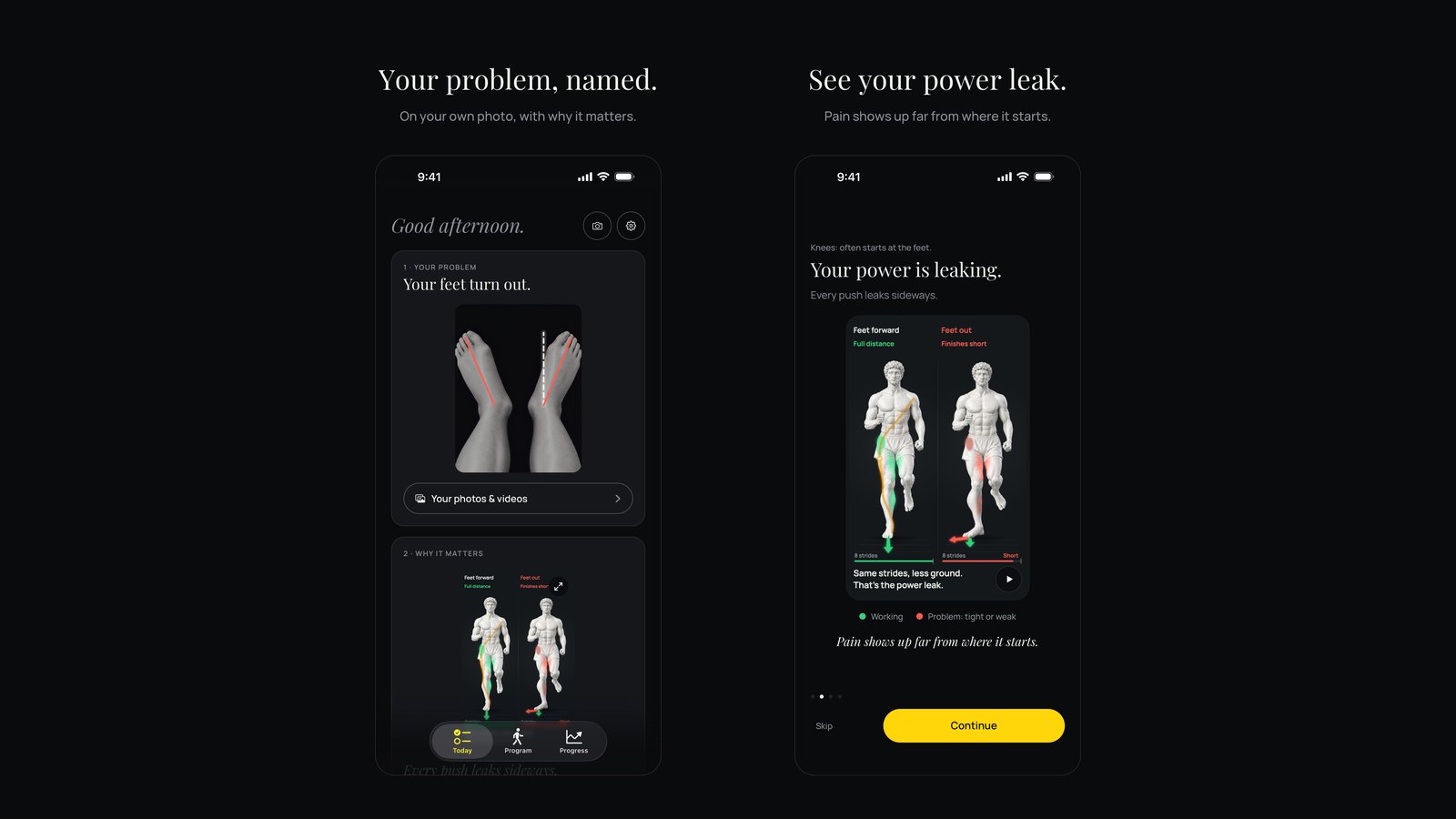
Duck feet, pigeon toes and feet forward
Plenty of people search "how to become pigeon toed" because their feet turn out. That's usually the wrong target: pigeon toes turn the feet in, which brings its own problems.
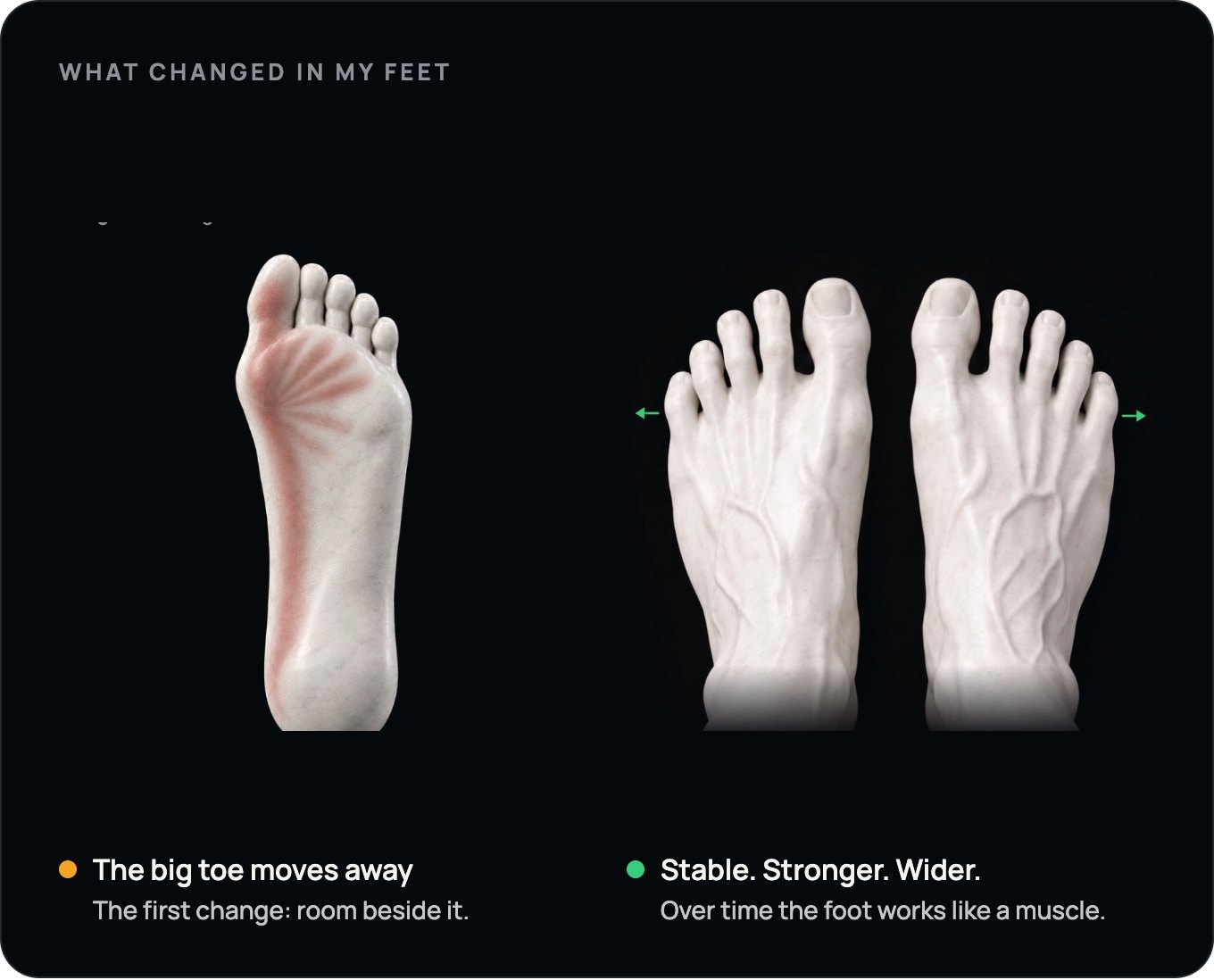
What most people want is feet pointing straight ahead, with the big toe pressing down to lift the arch. The foot strengthening exercises and the flat feet guide build the arch that holds it.
Why it hurts somewhere else
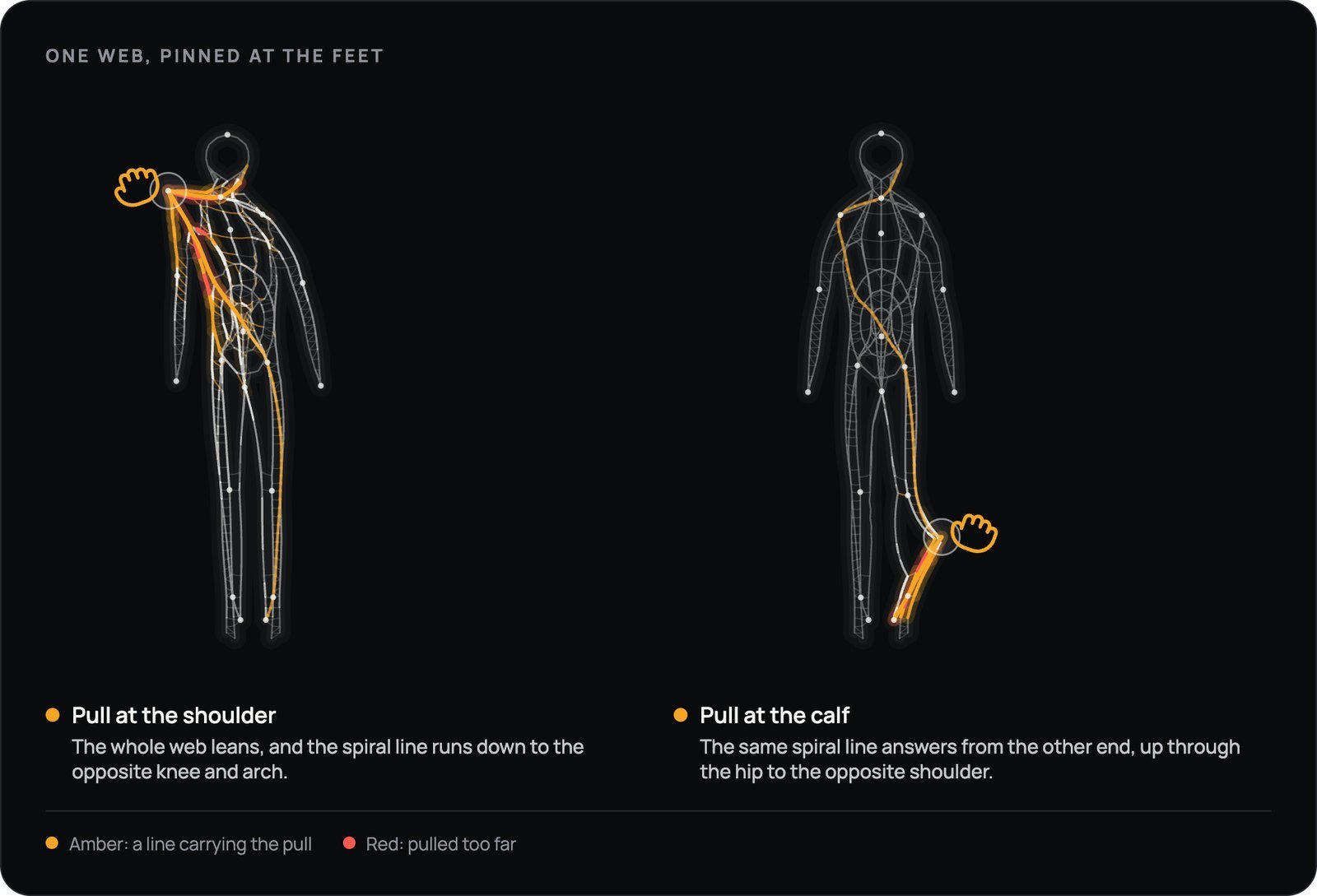
Pain often shows up far from where it starts. The app explains this with the fascia, one web pinned at the feet, so a tight or weak spot pulls on all of it.
Old injuries teach the body to lean, and until you retrain it, the lean stays. That's why sitting can end up as low back pain from sitting rather than sore hips.
Become more athletic: the spiral
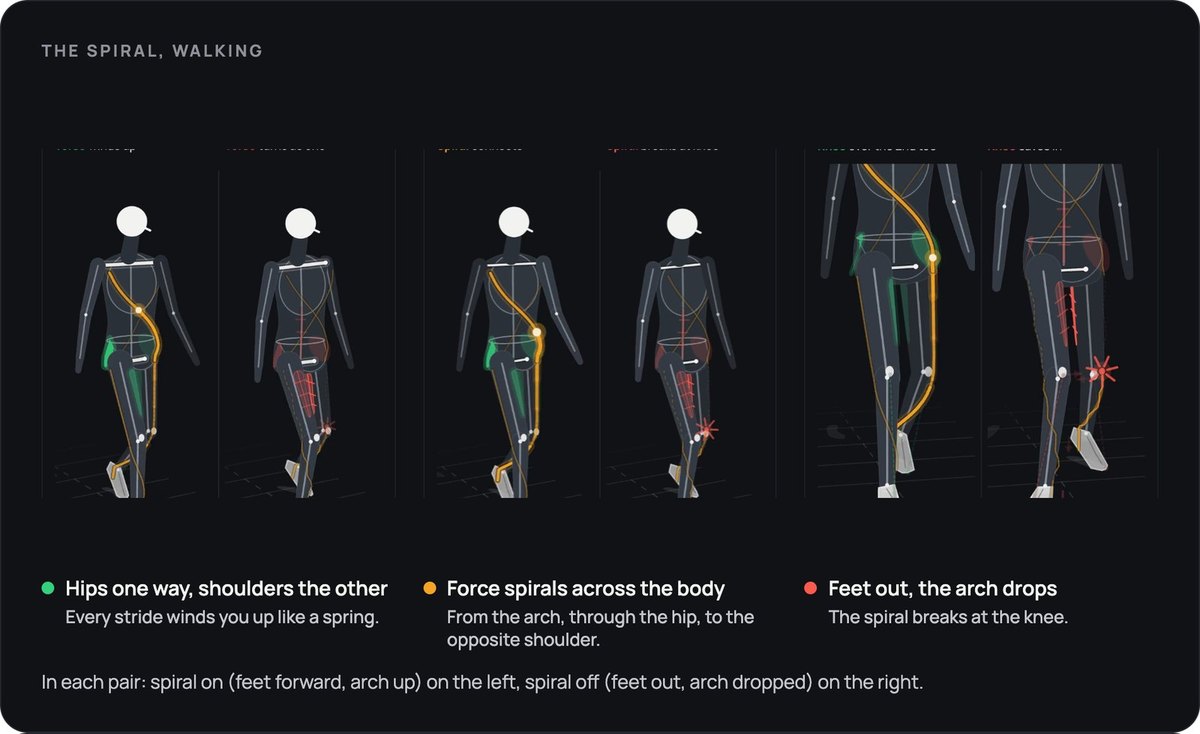
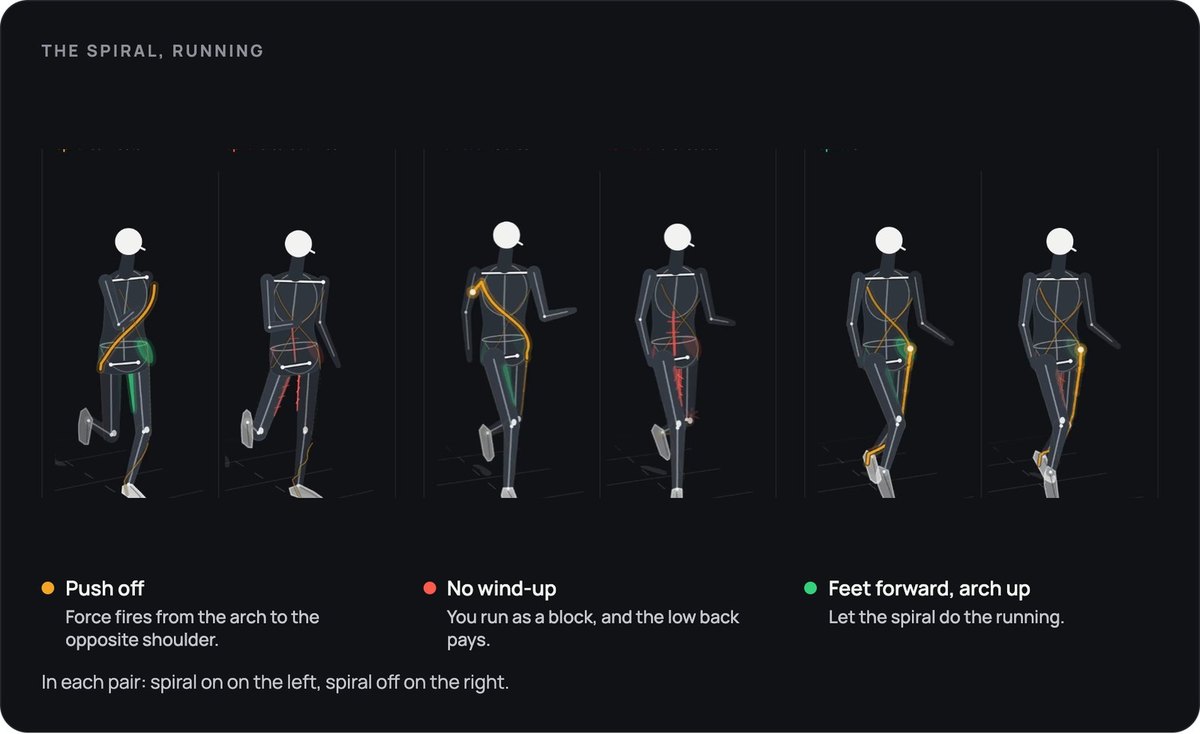
When all three leaks are plugged, every stride spirals from the arch to the opposite shoulder. That cross-body spiral is where the app's "move like an athlete again" promise comes from.
It's also how you grow calves and grow glutes without another gym program. Feet straight and big toe down make the inner calves work every step, and a stacked pelvis lets the glutes switch on. The athletic alignment guide shows what good, great and elite movement look like.
The program and drills
Each fix runs four weeks: a few minutes of drills every day, a 60-second eyes-closed Feel check every three days and a rescan every week. If you've improved, you move on to the next fix; if not, you do a second round.
Expect months, not weeks, to regain mobility. The ache can move as your base changes, and the hip mobility guide is a good place to start while the app is in beta.
Built by an athlete
The app comes from Muhammed Cam, a former athlete whose bad shoes and early injuries stacked up until his body felt like glass. He rebuilt it feet first over about three years of daily movement, with plateaus along the way.
He built the app so other athletes find their first fix in minutes instead of years. It's aimed at weekend warriors, former athletes and Sunday-league players who want to keep playing.
Is it for you?
Before you sign up
- It's in beta. The iPhone app isn't in the App Store yet; the site has a waitlist.
- Photos stay private. They're sent once for the read, never kept on the company's servers and never used to train AI.
- It isn't medical advice. It's movement coaching, not a diagnosis or a treatment plan.
The verdict
From the Feet Up is a posture app built for athletes that starts at the feet and gives you one thing to fix, not fifty. If you want to move like an athlete again, join the waitlist at fromthefeetup.co and work through the guides while the beta runs.
FAQ
How do you fix duck feet?
Point your feet straight ahead and press the big toe down to lift the arch, then build that with daily foot and hip drills. From the Feet Up's first fix, Feet forward, is a four-week program for exactly this.
Can you fix anterior pelvic tilt?
You can work on it. Sitting tightens the hip flexors and switches the glutes off, which tips the pelvis forward, so the Stack the pelvis fix stretches the front of the hips and wakes the glutes back up.
How do you grow calves and glutes?
Load them properly first. With your feet straight and the big toe pressing down, the inner calves work on every step, and when the hips and low back do their job, the glutes switch on. How much changes depends on you and the work.
How do you become pigeon toed?
Most people asking this want feet that point straight ahead, not turned in. Pigeon toes are their own problem, so aim for feet forward, which is what the app trains.
Is From the Feet Up free, and is it medical advice?
It's free for now, with one read a week during the beta. It's movement coaching, not medical advice, so see a professional for sharp, numb or worsening pain.