"Virtual glasses" now covers three very different kinds of product. Display glasses like the XREAL One Pro and VITURE Beast plug into your laptop, phone or Switch and float a huge private screen in front of you, from $299. Android XR glasses like the new XREAL Aura add their own computer and apps for about $1,300. And headsets like Apple Vision Pro and Samsung Galaxy XR are full spatial computers for $1,800 to $3,700. Meta's new VR Glasses try to land in between, but they won't ship until spring 2027.
Our verdict: the XREAL One Pro is the best virtual-screen glasses for most people. It costs about $600 and gives you a sharp 171-inch virtual screen for laptops, flights and gaming. The VITURE Pro 2 is the best budget pick at $299. If you want a real spatial computer, Samsung Galaxy XR is the better value at $1,799.99, and Apple Vision Pro is the most polished at $3,699. Hold off on the XREAL Aura and Meta VR Glasses until reviews arrive.
The Short Version
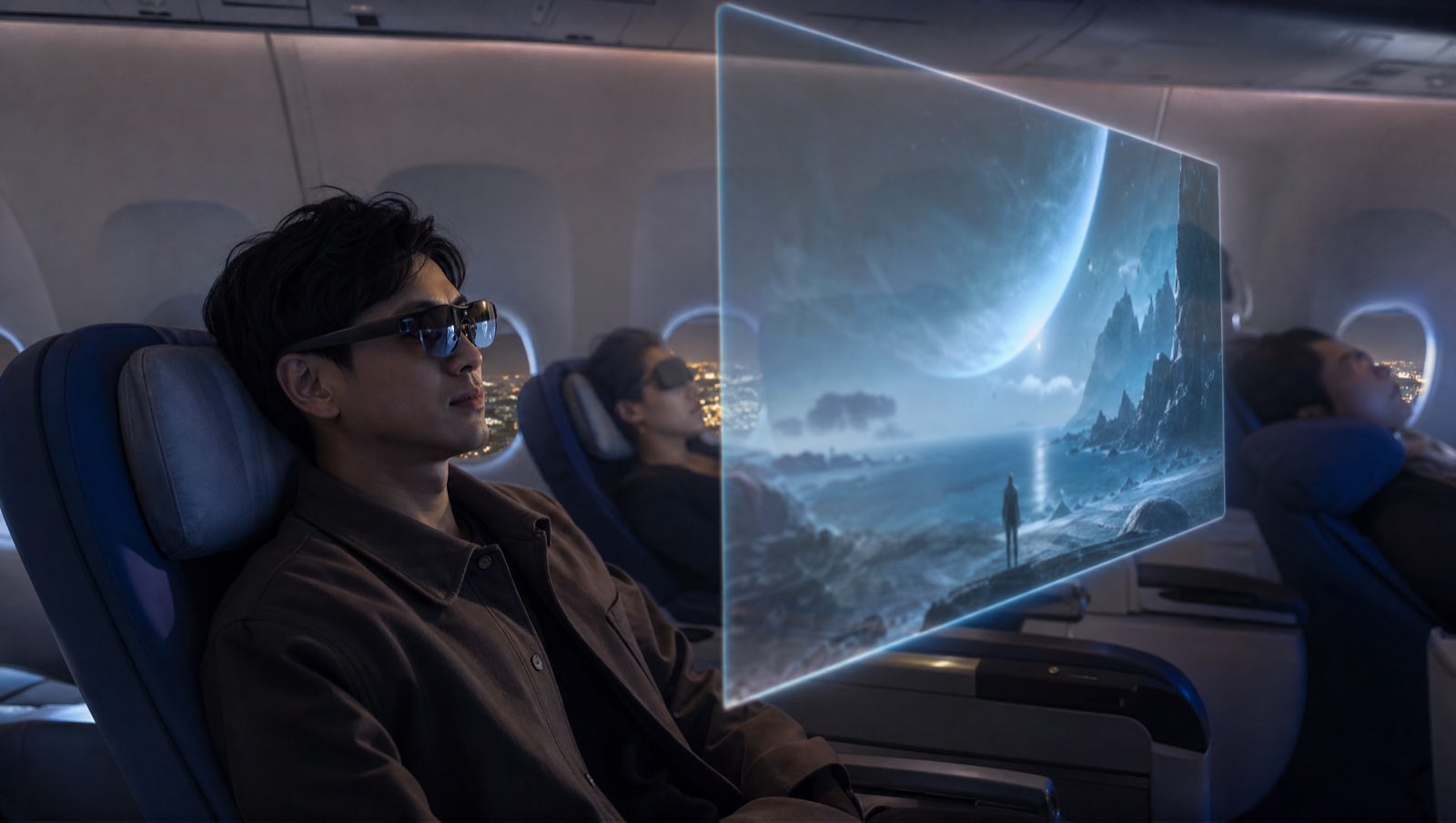
Best for most people: XREAL One Pro, about $600. A 171-inch virtual screen, 120Hz, prescription lenses available.
Best budget: VITURE Pro 2, $299, with built-in nearsightedness adjustment.
Brightest: VITURE Beast, $549, at 1,210 nits.
Best headset value: Samsung Galaxy XR, $1,799.99.
Most polished: Apple Vision Pro (M5), $3,699. Wait for reviews: XREAL Aura (ships before the holidays) and Meta VR Glasses (spring 2027).
The Three Kinds of Virtual Glasses
- Display glasses (XREAL One Pro, VITURE): sunglasses-style frames with tiny micro-OLED screens inside. They have no computer of their own. You plug them into a laptop, phone, tablet or game console over USB-C and they act as a giant private monitor. They're light, relatively cheap and the most practical category today.
- Glasses with their own computer (XREAL Aura, Meta VR Glasses): similar frames, connected to a pocket "puck" that holds the battery, processor and apps. You get apps and multiple windows without needing a laptop.
- Headsets (Apple Vision Pro, Samsung Galaxy XR): full goggles that cover your eyes, track your hands and surroundings, and run their own operating systems. They're the most capable, but also the heaviest and most expensive.
Side-by-Side Comparison
| Price | Type | Weight | Key spec | Battery | Available | |
|---|---|---|---|---|---|---|
| VITURE Pro 2 | $299 | Display glasses | Light | Myopia adjustment to −5.00D | Powered by your device | Now |
| VITURE Beast | $549 | Display glasses | Light | 1,210 nits | Powered by your device | Now |
| XREAL One Pro | ~$599 (often on sale) | Display glasses | Light | 57° FOV, 171-inch screen, 120Hz | Powered by your device | Now |
| XREAL Aura | $1,279 / $1,499 | Android XR glasses + puck | Under 95 g | Own computer and apps | In the puck | First wave before the holidays |
| Meta VR Glasses | $1,299.99 | VR glasses + puck | About 100 g | 5K micro-OLED, 37 PPD | Up to 3 hrs video | Spring 2027 |
| Samsung Galaxy XR | $1,799.99 | Headset | 545 g + 302 g battery | 109° FOV, 3552×3840 per eye | Up to 2 hrs (2.5 video) | Now |
| Apple Vision Pro (M5) | $3,699 | Headset | Over 1.3 lb | 23M pixels, up to 120Hz | Up to 2.5 hrs (3 video) | Now |
XREAL One Pro: Best for Most People
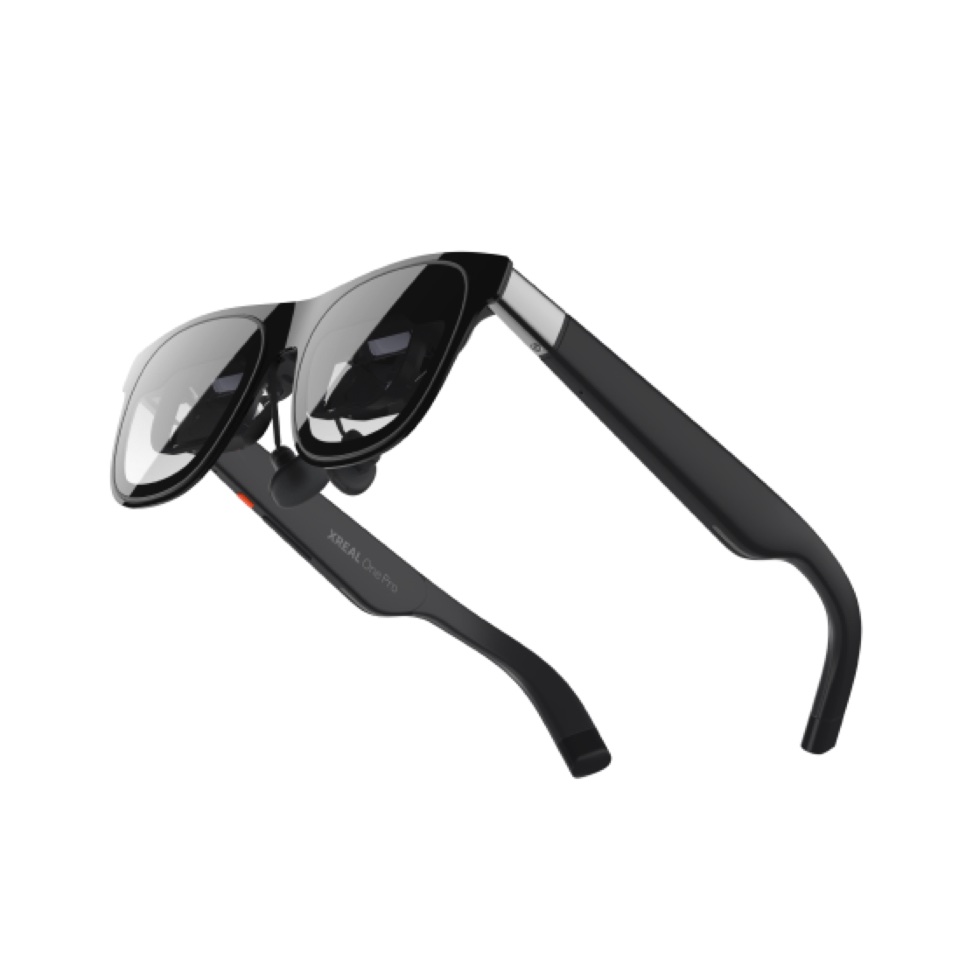
The One Pro is what most people picture when they say "virtual glasses": plug it into a laptop, phone or handheld and a 171-inch screen appears in front of you, sharp enough to work on and with a 57-degree field of view, among the widest in its class. Its X1 chip handles positioning on the glasses themselves, so the screen can stay pinned in place while you move your head. It runs at 120Hz. XREAL sells prescription lenses through optical partners in the US, EU and UK, and an Ultrawide mode turns a laptop into a curved wide desktop.
Price note: list price is around $599–$649 depending on the store, and it's regularly on sale for about $549. The catch: your device needs USB-C with video output (DisplayPort), and a Nintendo Switch needs XREAL's separate hub.
VITURE: Brightest and Cheapest
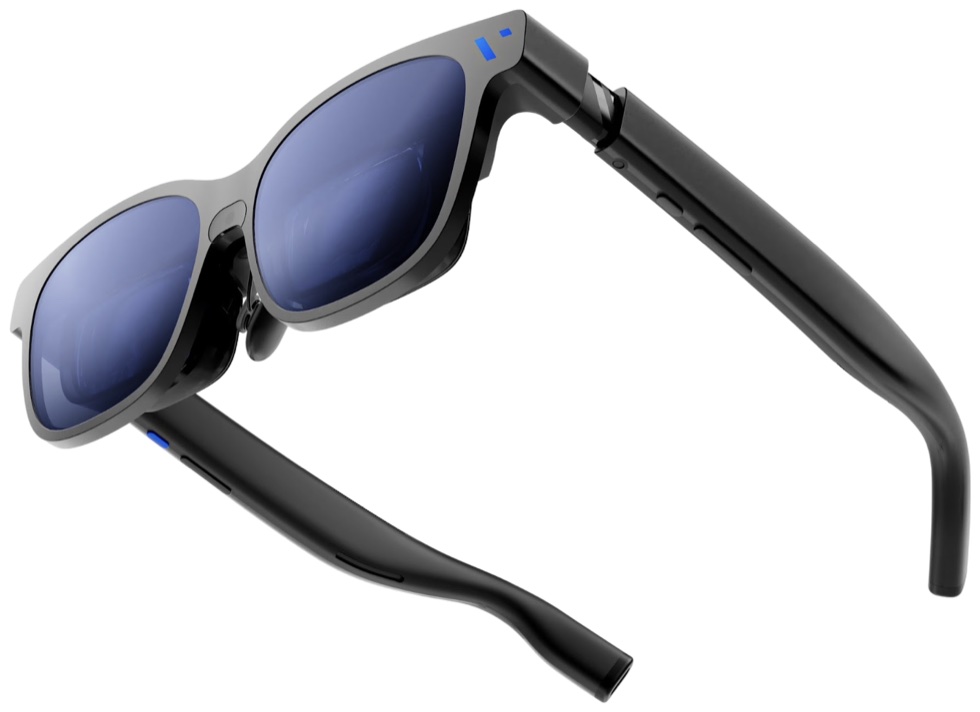
VITURE has the widest lineup. The Beast ($549) is the brightest display glasses here at 1,210 nits, which helps in bright rooms and outdoors, and it gives a virtual screen up to 174 inches. The Pro 2 ($299) is the budget pick and a good fit for glasses wearers, with built-in nearsightedness adjustment down to −5.00D, so many people won't need prescription inserts. In between, the Luma ($399), Luma Pro ($499) and Luma Ultra ($599) trade off brightness, field of view and multi-screen features, and they're often discounted.
XREAL Aura: The First Android XR Glasses
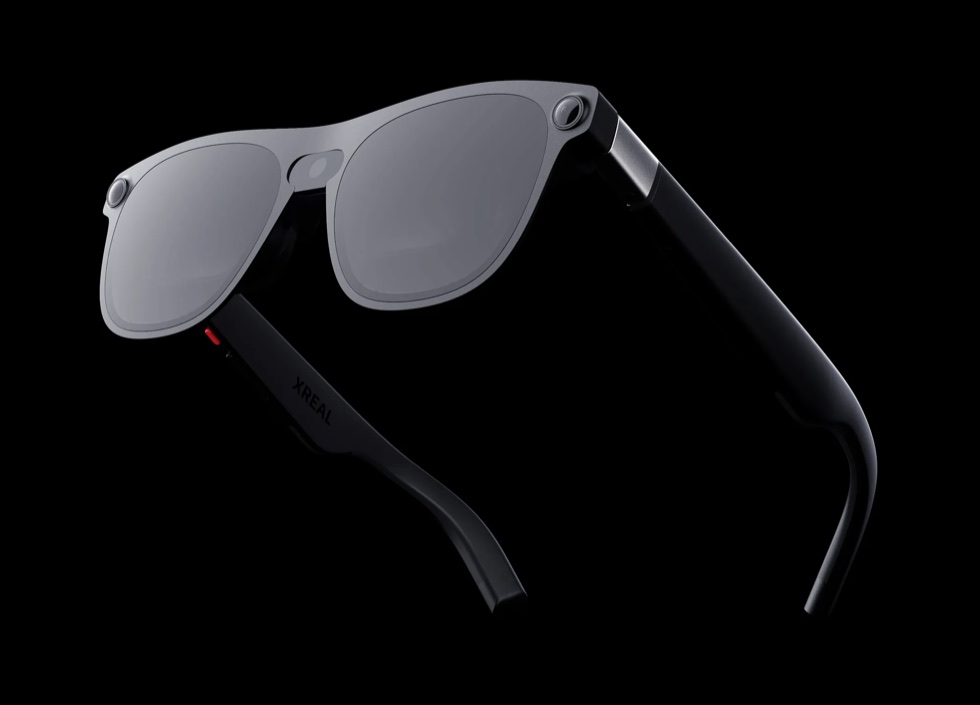
Aura is XREAL's display glasses plus a pocket computer running Google's Android XR. That means apps, multiple windows and Google's assistant without a laptop attached. The glasses weigh under 95 grams and use see-through lenses, so content floats over the real world. It costs $1,279 (12GB/256GB) or $1,499 (16GB/512GB). Ordering takes a $199 priority deposit that counts toward the price. XREAL says the first wave arrives before the holidays in the US, Canada, Japan and South Korea, with a second wave in early 2027.
Our take: promising, and early hands-on impressions are good, but it's a first-generation product on a young platform. Wait for full reviews before paying more than twice the One Pro's price.
Meta VR Glasses: Impressive on Paper, Not Until 2027
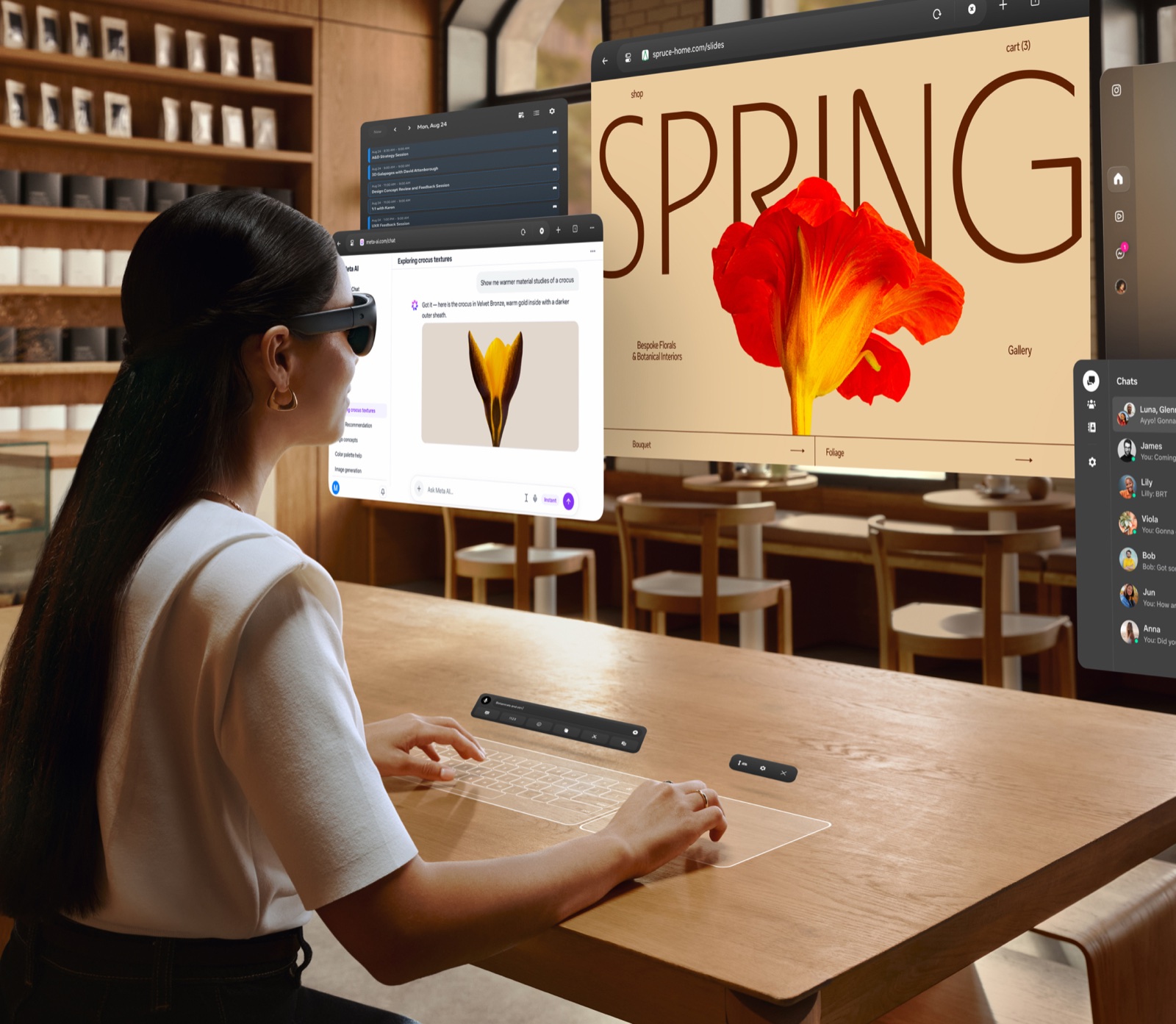
Meta's VR Glasses, announced at Connect in September, shrink a VR headset to about 100 grams by moving the battery, a Snapdragon Reality Elite processor and storage into a clip-on puck. Each eye gets a micro-OLED panel at 37 pixels per degree behind pancake lenses, with Dolby Vision and IMAX Enhanced video. It tracks your hands and eyes and runs more than 75 games at launch, plus Xbox Cloud Gaming, Disney+, Prime Video, YouTube and virtual work screens. Battery life is up to three hours of video.
The catch: it costs $1,299.99 and doesn't ship until spring 2027, with no month and no preorders yet. We cover the rest of Meta's lineup, including the $799 Ray-Ban Display, in our Meta smart glasses guide.
Samsung Galaxy XR: The Better-Value Headset
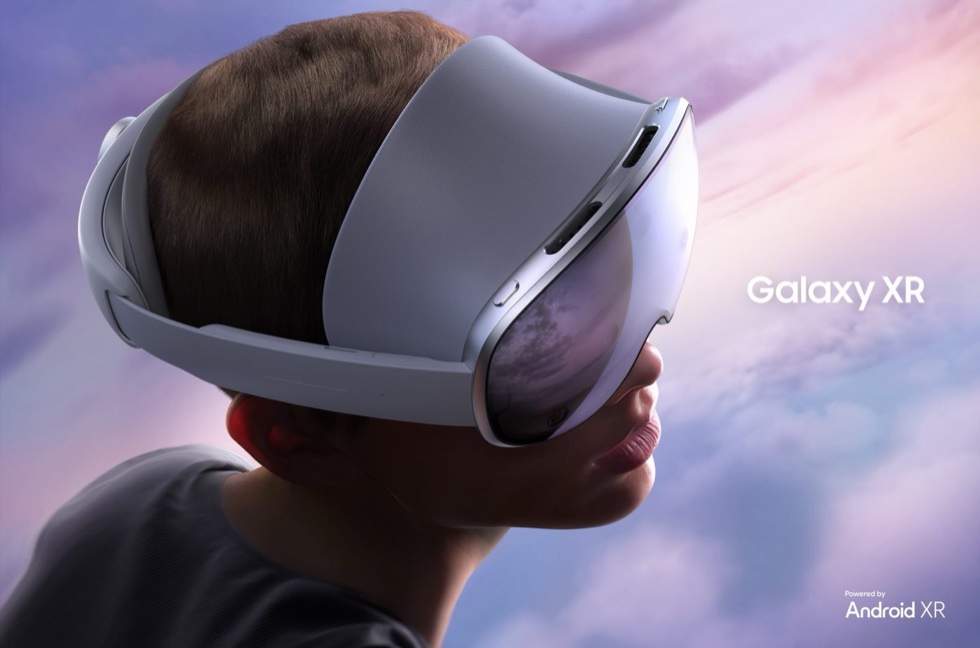
Galaxy XR was the first device on Android XR when it launched in October 2025, and at $1,799.99 it's half the price of Vision Pro. It has the widest field of view here (109 degrees), high-resolution displays (3552×3840 per eye), a Snapdragon XR2+ Gen 2 chip and 16GB of memory, with Google's apps and Gemini built in. The catches: the headset alone weighs 545 grams, plus a 302-gram battery pack, and battery life is about two hours. Controllers cost $249.99 extra.
Apple Vision Pro: The Most Polished, at a Price
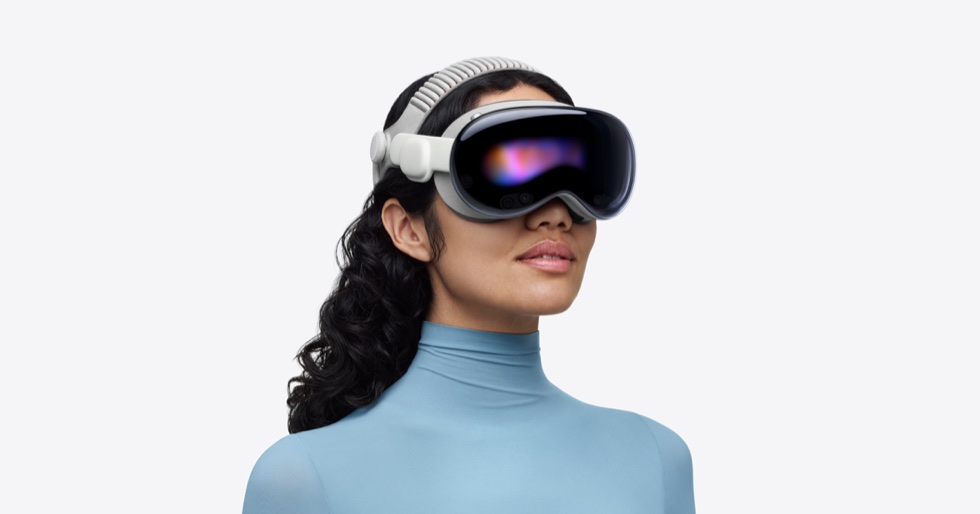
Vision Pro is still the best-made headset you can buy. The M5 model has micro-OLED displays with 23 million pixels in total, a refresh rate up to 120Hz, eye and hand tracking that feels effortless, and the deepest library of spatial apps and 3D movies. It's also the best virtual Mac display available. The catches: Apple raised the price to $3,699 in June, it weighs more than 1.3 pounds, and battery life is up to 2.5 hours of general use.
Which Should You Buy?
- Movies and work on flights and trains: XREAL One Pro, or VITURE Pro 2 on a budget.
- A second monitor for your laptop: XREAL One Pro.
- Gaming on a Switch, Steam Deck or phone: VITURE Beast for brightness, or XREAL One Pro.
- You wear prescription glasses: VITURE Pro 2 (built-in adjustment) or XREAL with prescription lenses.
- A full spatial computer on Android: Samsung Galaxy XR.
- You're all-in on Apple and price isn't the issue: Apple Vision Pro.
- You want apps in glasses, not a headset: wait for XREAL Aura reviews, or Meta VR Glasses in 2027.
The Verdict
The XREAL One Pro is the best virtual glasses for most people in 2026. It does the one thing people want most, a big, sharp private screen anywhere, for about $600. VITURE Pro 2 is the best budget buy and VITURE Beast the brightest. For a full headset, Galaxy XR is the value pick and Vision Pro the premium one. The glasses with built-in computers (XREAL Aura and Meta VR Glasses) are where this category is heading, but they're worth waiting for reviews on.
FAQ
What are the best VR glasses in 2026?
For most people, the XREAL One Pro, about $600, which works as a 171-inch virtual screen for laptops, phones and consoles. The VITURE Pro 2 is the best budget option at $299. For a full headset, Samsung Galaxy XR ($1,799.99) is the value pick and Apple Vision Pro ($3,699) the premium one.
When do Meta VR Glasses come out?
Meta says spring 2027, at $1,299.99 in the US. It hasn't announced a month or opened preorders.
How much are XREAL Aura glasses?
XREAL Aura costs $1,279 with 12GB of memory and 256GB of storage, or $1,499 with 16GB and 512GB. Preorders need a $199 deposit, and the first wave ships before the holidays.
Can AR glasses replace a monitor?
For travel and small spaces, yes. Display glasses like the XREAL One Pro give you a large, sharp virtual screen over USB-C. For eight-hour workdays, most people still find a physical monitor more comfortable.
Is Apple Vision Pro worth it in 2026?
Only if you'll use it for hours a week and value Apple's polish. At $3,699 it costs about twice as much as Samsung Galaxy XR and six times as much as XREAL One Pro, which covers the most common use: watching and working on a big virtual screen.