Meta walked into Connect 2026 as the only company actually selling smart glasses at scale, and walked out with the deepest lineup in the category: a $349 pair with no camera at all, a refreshed $449 Ray-Ban Meta, the $799 Display model with a screen in the lens, and a $1,299 pair of VR Glasses. That's a lot of choice for a product most people still haven't worn.
Our verdict: Ray-Ban Meta Gen 3 is the pair most people should buy. Camera, open-ear audio and Meta AI in frames that just look like Ray-Bans, for $449. The new Ray-Ban Meta Audio is the smartest addition — $100 cheaper, lighter, and no camera for the people and places that don't want one. The Display and VR Glasses are for early adopters, and the VR Glasses in particular deserve real reviews before anyone pays $1,299.
The Short Version
Best for most people: Ray-Ban Meta Gen 3 ($449).
Best without a camera: Ray-Ban Meta Audio ($349, ships Oct 13).
Best for a heads-up screen: Meta Ray-Ban Display ($799).
Wait for reviews: Meta VR Glasses ($1,299).
The Lineup at a Glance
| Model | Price | Camera | Display | Battery | Availability |
|---|---|---|---|---|---|
| Ray-Ban Meta Audio | $349 | None | None | Up to 12 hrs + 48 hrs case | Ships Oct 13 |
| Ray-Ban Meta Gen 3 | $449 | 12MP, 3K video | None | Up to 9 hrs | Available now |
| Meta Ray-Ban Display | $799 | Yes | In-lens screen + Neural Band | — | Available |
| Meta VR Glasses | $1,299 | — | Immersive; IMAX Enhanced | — | Meta says 2026 |
Ray-Ban Meta Gen 3: The Default Pick
Gen 3 is a refinement, not a reinvention, and that's fine — Ray-Ban Meta is already the world's best-selling pair of AI glasses. Meta slimmed the frames, added an hour of battery (up to nine hours), professionally adjustable temple tips and a customizable action button for instant Meta AI. The 12MP camera shoots 3K video, and a six-microphone array handles calls and voice commands.
There are 27 frame and lens combinations across the Aviator, Wayfarer and a new cat-eye called Zena. The honest caveat: Gen 2 owners get the same core experience and don't need to upgrade.

Ray-Ban Meta Audio: The Most Interesting New Pair
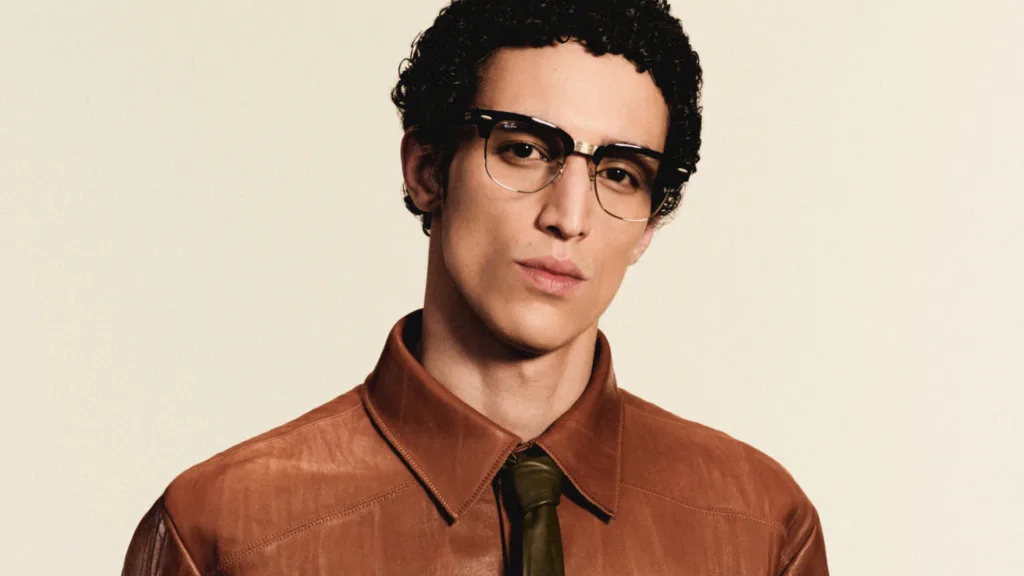
This is the product that could actually grow the category. Ray-Ban Meta Audio drops the camera entirely and keeps what most owners use every day: open-ear speakers, microphones and Meta AI. At 43 grams it's Meta's lightest frame yet, it's rated for up to 12 hours of listening plus 48 more from the case, and it works with a wide range of prescriptions in Clubmaster and Burbank styles.
No camera solves the biggest social objection to smart glasses: the person across the table wondering if they're being recorded. That makes Audio the pair for offices, schools, gyms and anyone who just wants AirPods-style audio without anything in their ears. Meta also announced a $149.99 hearing-enhancement add-on for these frames, launching in the US later this year.
Meta Ray-Ban Display: For the Heads-Up Crowd
At $799, the Display model is still the only mainstream pair with a screen in the lens, controlled with the wrist-worn Neural Band. Glanceable directions, messages, captions and camera previews are genuinely useful. But it's heavier, pricier and more noticeable than Gen 3, and most people don't need a display to get value from AI glasses yet.
Meta VR Glasses: Promising, but Wait
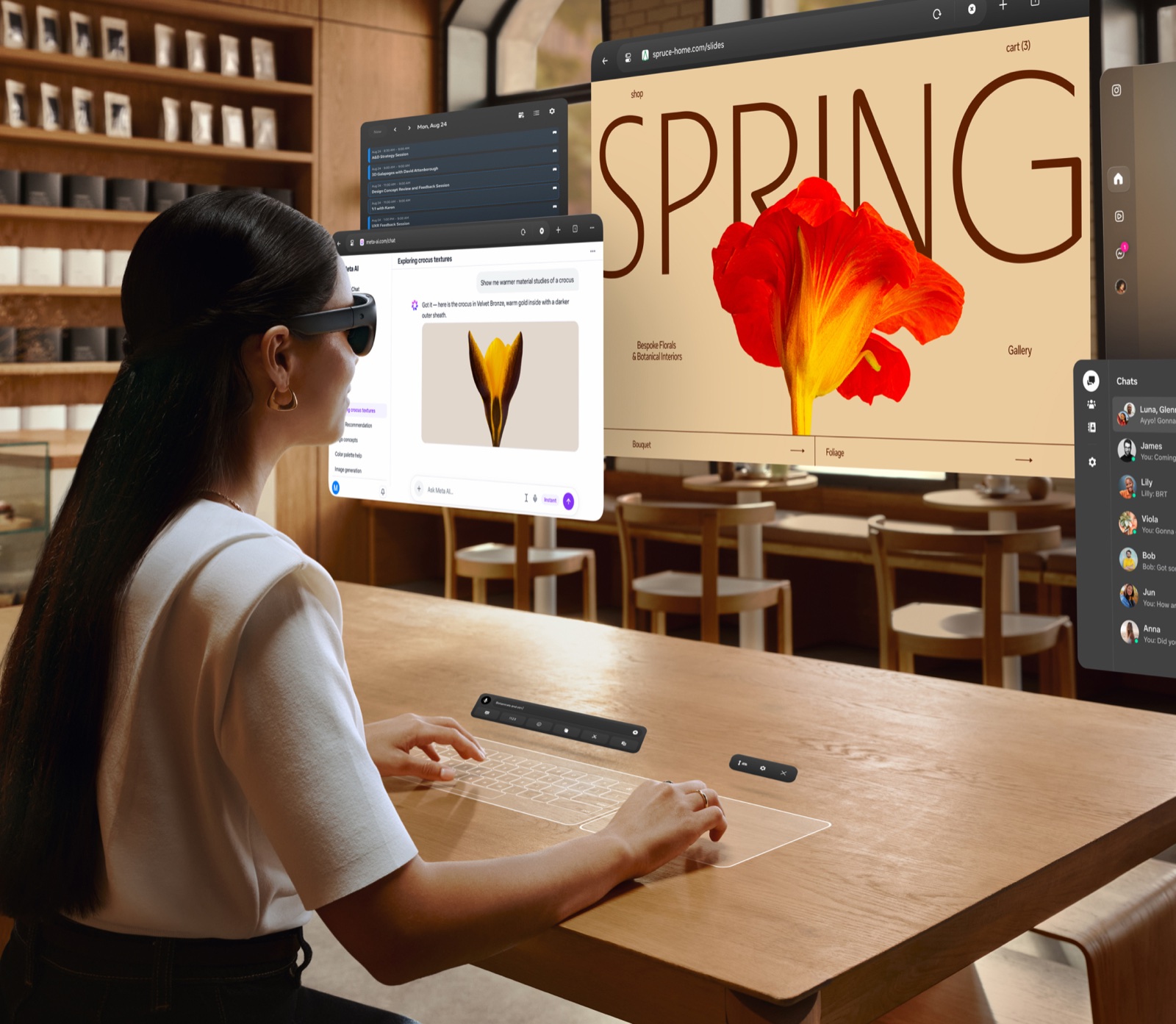
The $1,299 VR Glasses are Meta's attempt to shrink a Quest headset into something you'd wear at a café: roughly 100 grams, IMAX Enhanced certified video, spatial audio and a private workspace with a virtual keyboard and touchpad. If they deliver, they're a serious laptop companion and personal theater. Meta hasn't shared enough about battery life, comfort over hours, or ship timing to recommend preordering yet. Wait for reviews.
What About Muse?
The software story matters as much as the hardware. Meta is bringing Muse, its personal AI agent, to the glasses: hands-free voice activation, the ability to act on what you're looking at, longer conversations while tasks run in the background, and new integrations with Walmart, Best Buy, Instacart, Expedia, Notion, GitHub and more. If it works, it's the reason to buy smart glasses in 2027. For how Meta's assistant stacks up against ChatGPT, Claude and Gemini, see our AI subscription comparison.
The Verdict
Buy Ray-Ban Meta Gen 3 ($449) if you want the full smart-glasses experience with a camera. Buy Ray-Ban Meta Audio ($349) if you want music, calls and AI without recording anyone — it's the most practical pair Meta has made. Hold off on the $1,299 VR Glasses until real-world reviews confirm comfort and battery life.
FAQ
What did Meta announce at Connect 2026?
Meta announced Ray-Ban Meta Gen 3 ($449, available now), the camera-free Ray-Ban Meta Audio ($349, ships October 13), a $1,299 pair of Meta VR Glasses, the Muse personal AI agent coming to its glasses, and a pocket Muse Charm device. Prices across the lineup run from $349 to $1,299.
Which Meta glasses should I buy?
Ray-Ban Meta Gen 3 for most people: camera, audio and Meta AI in normal-looking frames for $449. Choose Ray-Ban Meta Audio at $349 if you only want music, calls and AI and prefer no camera. Consider the $799 Meta Ray-Ban Display only if you want an in-lens screen, and wait for reviews before buying the $1,299 VR Glasses.
How long does the Ray-Ban Meta Gen 3 battery last?
Meta rates Ray-Ban Meta Gen 3 for up to nine hours, one hour more than Gen 2. Ray-Ban Meta Audio is rated for up to 12 hours plus up to 48 more hours from its charging case.
Do Ray-Ban Meta Audio glasses have a camera?
No. Ray-Ban Meta Audio is Meta's first camera-free pair: speakers, microphones and Meta AI in 43-gram Clubmaster and Burbank frames. It is designed for people, schools and workplaces that don't want recording glasses.
Should I upgrade from Ray-Ban Meta Gen 2 to Gen 3?
Probably not. Gen 3 adds an hour of battery, a slimmer frame, adjustable temple tips and a customizable action button. Those are nice refinements, but Gen 2 owners keep the same core camera, audio and Meta AI experience.